
Key Takeaways:
- Choose low-calorie options like vodka, tequila, gin, or dry wine.
- Avoid sugary cocktails and high-calorie mixers.
- Drink in moderation to reduce excess calorie intake.
- Stay hydrated and track alcohol calories within your daily goals.
If you’re trying to lose weight but still want to enjoy a drink, you’re not alone and you’re not doomed. The key is choosing the right type of alcohol, watching your portions, and understanding what each drink actually does to your body.
Here’s the honest truth: alcohol is never a “health food.” But some drinks are significantly less damaging to your weight loss goals than others. Let’s break them all down.
The 7 Best Alcoholic Drinks for Weight Loss
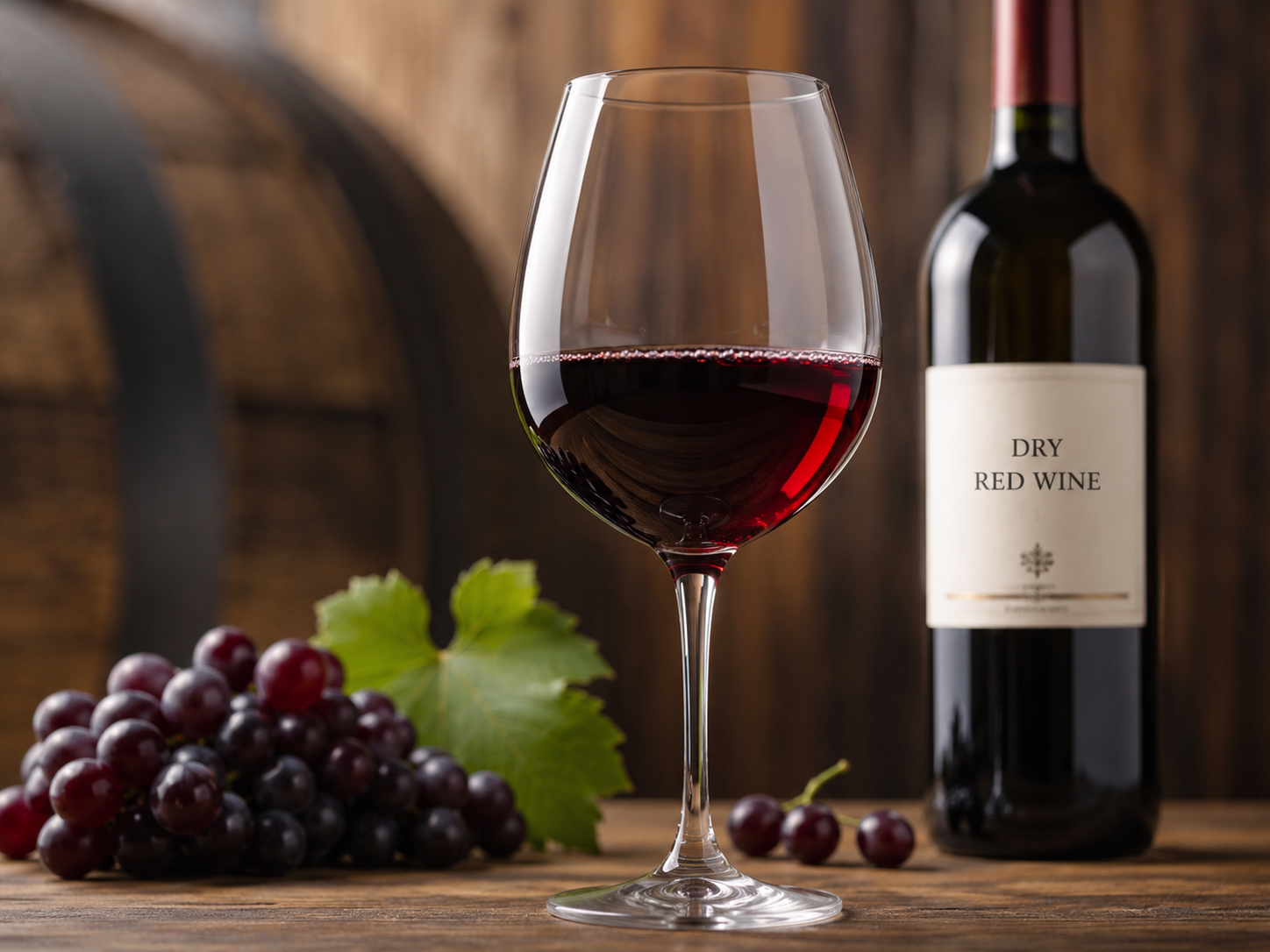
1. Dry Red Wine:
A 5-ounce glass of dry red wine has around 125 calories and less than 4 grams of carbs. That’s one of the better trade-offs in the alcohol world. And unlike beer or cocktails, red wine actually brings something to the table nutritionally.
Red wine contains resveratrol, a polyphenol antioxidant found in grape skins. Research published in Frontiers in Nutrition (2022) suggests resveratrol may have some modest metabolic benefits. It’s not a fat-burner (don’t misread this), but it’s not a nutritional wasteland either.
Best picks:
Pinot Noir, Cabernet Sauvignon, Merlot. Avoid sweet red blends, which can spike sugar up to 8-12g per glass.
The loss:
Alcohol still suppresses fat oxidation. Even two glasses can slow your metabolism enough to matter if consumed nightly.
2. Dry White Wine:
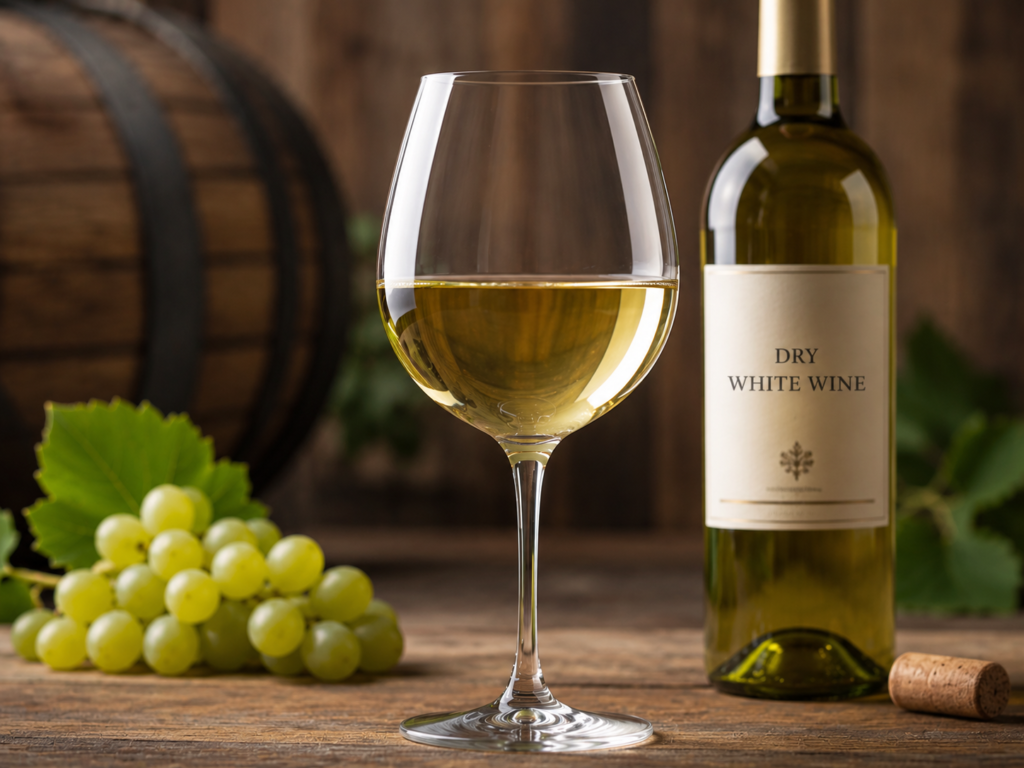 Dry white wine averages 120-130 calories per 5-ounce pour, with roughly 3-4 grams of carbs. It’s slightly lighter than red in calories, though it offers fewer antioxidants.
For weight loss purposes, dry whites are a solid choice because they’re low in residual sugar. According to Wine Spectator, “dry” wines have less than 1% residual sugar, meaning the grapes fermented fully and the sugar converted to alcohol rather than sitting in the glass.
Best picks:
Sauvignon Blanc, Pinot Grigio, Chardonnay (unoaked varieties tend to be lower in sugar).
The loss:
White wine is often consumed more casually (think “just another glass”), so portion creep is a real risk. One glass easily becomes three without noticing.
3. Vodka Soda:
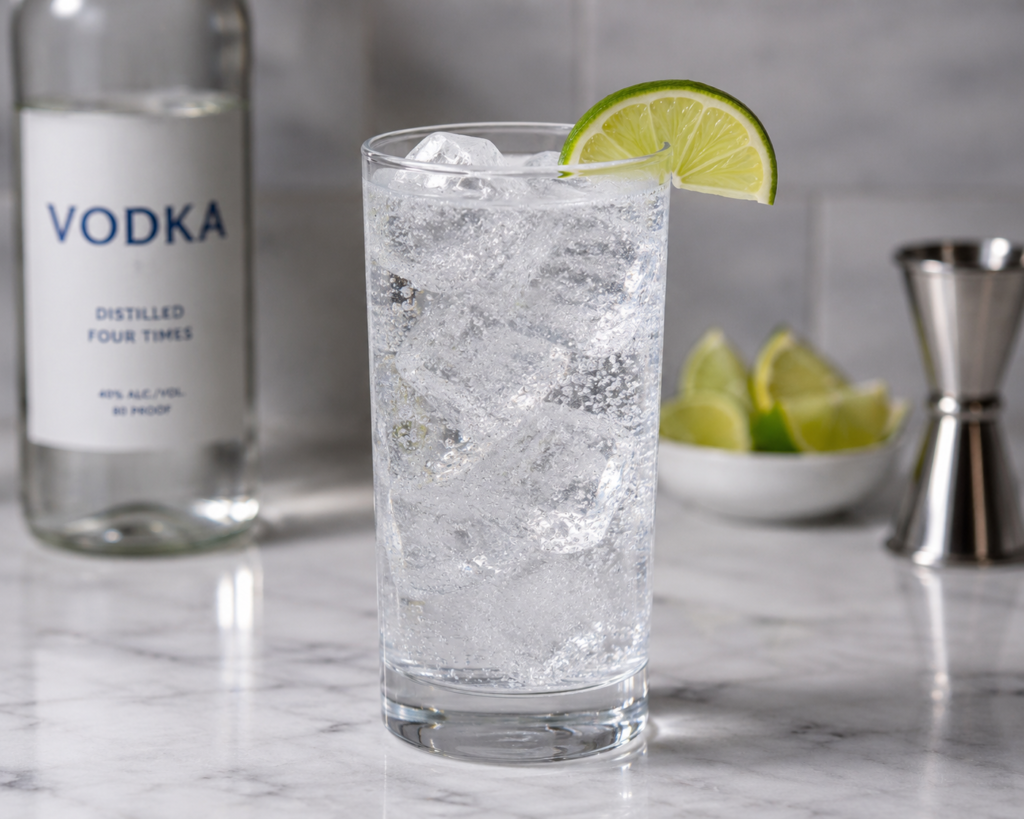
A standard vodka soda (1.5 oz vodka + club soda) has approximately 97-100 calories and zero grams of sugar. That’s as clean as it gets in the cocktail world.
Vodka itself is a distilled spirit with no carbohydrates, no fat, and no sugar. The calorie count comes purely from the alcohol content. Pair it with plain soda water (not tonic; tonic water has 124 calories per 12 oz!) and a squeeze of lime, and you’ve got a refreshing drink that won’t ambush your macros.
According to the USDA FoodData Central, a 1.5 oz shot of 80-proof vodka contains 97 calories making it one of the lowest-calorie spirit options available.
Best picks:
Any unflavored vodka. Flavored varieties often contain added sugars, so always check..
The loss:
Vodka is easy to drink fast. Because it’s light, people often have 3-4 in a sitting, which quickly turns 100 calories into 400. Pace yourself intentionally.
4. Tequila:
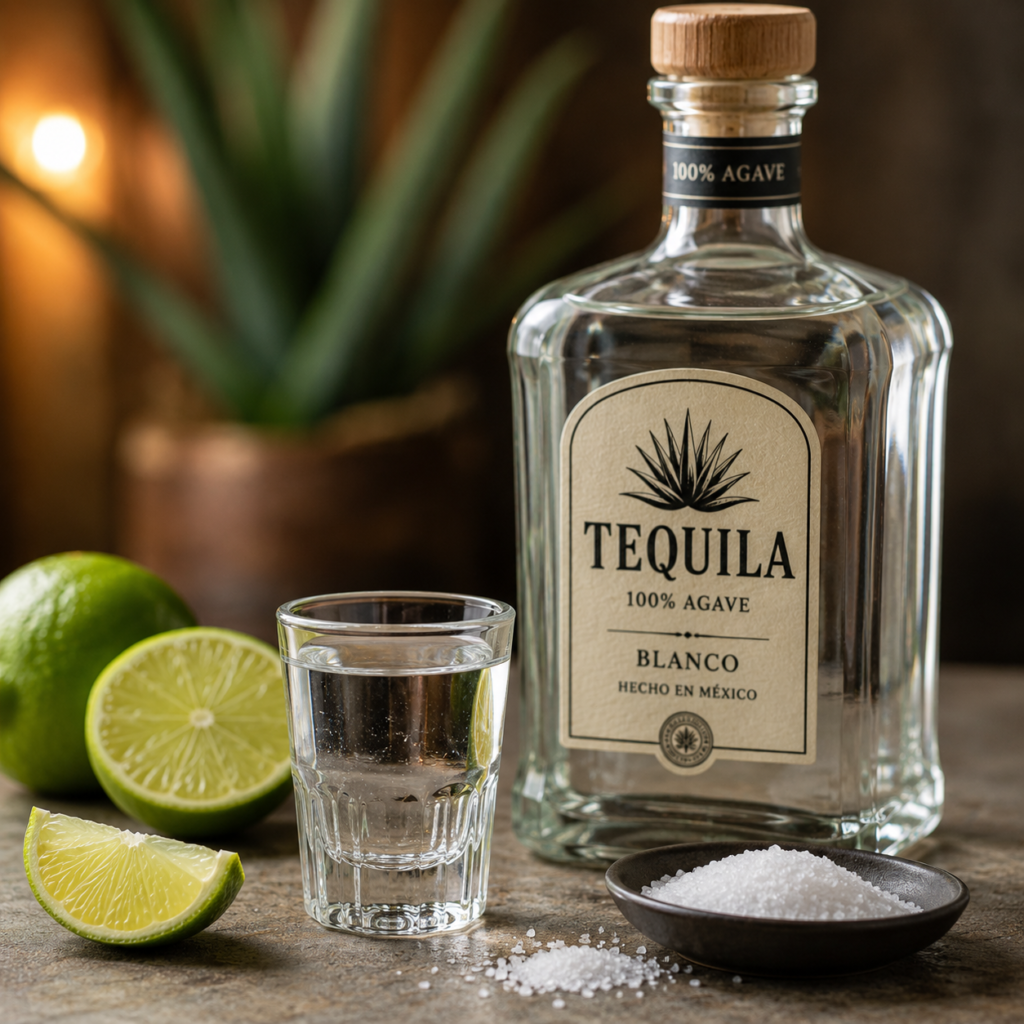
A 1.5 oz shot of blanco tequila carries around 97 calories, zero carbs, and zero sugar. It’s comparable to vodka in calorie count, but tequila has one unique quality that’s worth knowing.
Tequila is made from the blue agave plant, which contains agavins a type of natural sugar that functions differently from table sugar. A study published in the American Chemical Society found that agavins aren’t digested like regular sugars and may actually help reduce blood glucose levels. This doesn’t make tequila a health product, but it does make it a more interesting option than most spirits.
Best picks:
Blanco (silver) tequila with no added sugar, no aging in barrels that add flavor compounds and extra calories. Avoid pre-mixed margarita mixes (they can have 200+ calories per serving from corn syrup).
The loss:
Tequila shots encourage drinking games. The social context, not the drink itself, often becomes the problem.
5. Whiskey
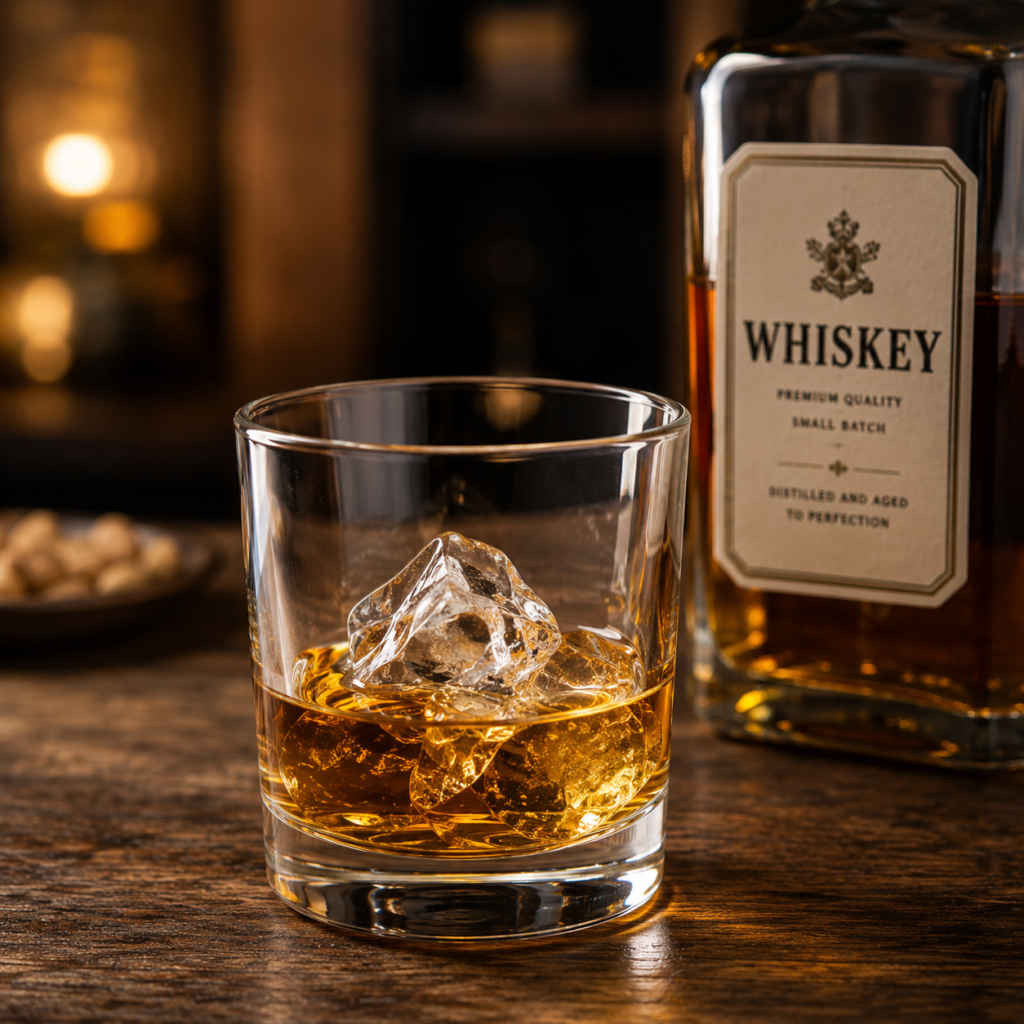
A 1.5 oz serving of whiskey, whether bourbon, Scotch, or Irish contains approximately 105 calories with zero carbs and zero sugar. The calorie count is slightly higher than vodka due to congeners (organic compounds created during fermentation), but still very manageable.
Whiskey is naturally meant to be sipped slowly. It’s complex, aromatic, and satisfying, qualities that actually work in your favor when trying to moderate alcohol intake. You’re unlikely to pound back four Scotches in an hour the way you might with a vodka cranberry.
Research from Harvard T.H. Chan School of Public Health notes that moderate alcohol consumption (1 drink/day for women, 2 for men) is associated with certain cardiovascular benefits, though they emphasize the risks increase with quantity. Whiskey at that level keeps calories reasonable.
Best picks:
Bourbon, Scotch, Irish Whiskey, all neat or with ice. Skip the ginger ale, cola, or sweet mixers.
The loss:
Cream-based whiskey liqueurs like Baileys are in a completely different category; one shot has 147 calories and 12g of sugar. Don’t confuse them.
6. Light Beer:
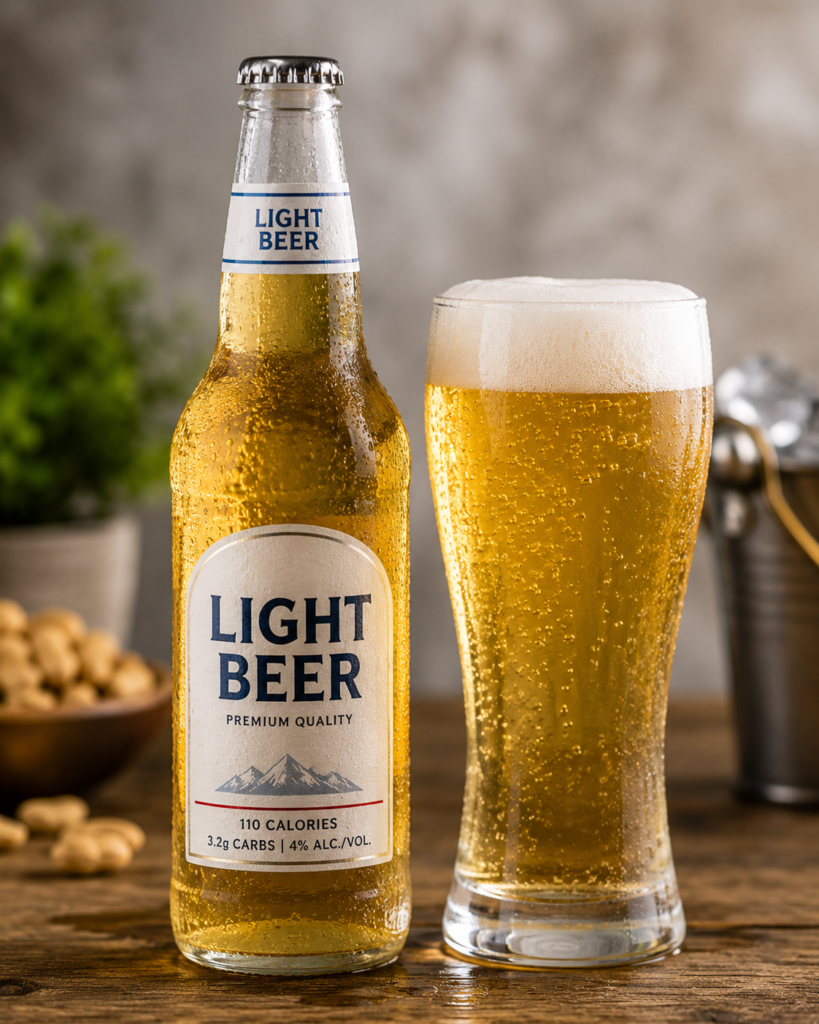
Most light beers range from 90-110 calories per 12-ounce can, with 5-7 grams of carbs. That’s roughly half the calorie count of a regular craft beer (which can hit 200+ calories).
Brands like Michelob Ultra (95 cal, 2.6g carbs), Bud Light (110 cal, 6.6g carbs), and Miller Lite (96 cal, 3.2g carbs) have become popular precisely because they allow social drinking without massive caloric consequences.
According to Healthline’s nutritional database, the average regular beer has 153 calories, making light beer about a 30-40% reduction. For someone having 2 drinks at a party, that’s a real difference.
Best picks:
Michelob Ultra, Miller Lite, Coors Light, or any session beer under 100 calories.
The loss:
Beer is carbonated and triggers appetite more easily than spirits. Studies suggest carbonated drinks can stimulate hunger hormones, meaning three light beers might lead to a late-night pizza order that undoes everything.
7. Hard Seltzers:
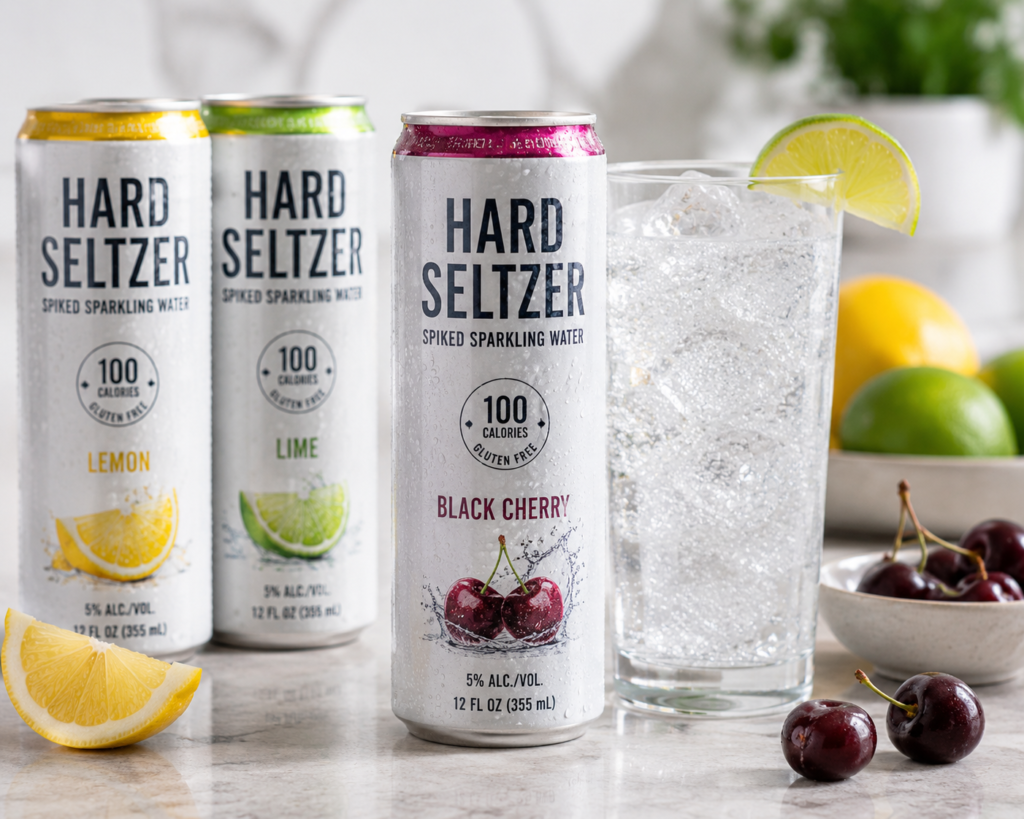
Most hard seltzers (like White Claw or Truly) contain 100 calories, 2g carbs, and 1g sugar per 12 oz can. They’ve exploded in popularity specifically because they offer alcohol with minimal caloric baggage.
Hard seltzers are typically made by fermenting cane sugar or malted barley, then carbonating the liquid. The fermentation converts most of the sugar to alcohol, leaving very little behind. The National Beer Wholesalers Association reported in 2023 that hard seltzers now represent over 10% of the total US beer market, a sign that health-conscious drinkers are actively seeking lighter options.
Best picks:
White Claw, Truly, Vizzy, Bud Light Seltzer; stick to original or fruit varieties without added syrups.
The loss:
Flavored seltzers can mask how much alcohol you’re consuming. Because they taste like sparkling fruit juice, people often drink them faster and in greater quantity.
Quick Comparison: Calories at a Glance
| Drink | Serving Size | Calories | Carbs | Sugar |
|---|---|---|---|---|
| Blanco Tequila | 1.5 oz | 97 | 0g | 0g |
| Vodka Soda | 1.5 oz + soda | 97-100 | 0g | 0g |
| Light Beer | 12 oz | 95-110 | 3-7g | 0-1g |
| Hard Seltzer | 12 oz | 100 | 2g | 1g |
| Whiskey (neat) | 1.5 oz | 105 | 0g | 0g |
| Dry White Wine | 5 oz | 120-130 | 3-4g | <1g |
| Dry Red Wine | 5 oz | 125 | 4g | <1g |
What Alcohol Should You Completely Avoid If Losing Weight?
Some drinks are essentially desserts with an alcohol content. Avoid or seriously minimize:
Piña Coladas: around 500 calories per glass. Margaritas (pre-mix): 300-400 calories from corn syrup. Sangria: added juice and sugar can push it to 200+ calories. Beer cocktails and craft IPAs: 200-300+ calories per pint. Liqueurs (Baileys, Kahlúa, Amaretto): high in fat and sugar simultaneously.
If you can’t pronounce the cocktail without smiling, it probably doesn’t belong in a weight loss plan.
Tips to Drink Without Sabotaging Your Goals
Alcohol and weight loss can coexist, with strategy..
Eat before you drink. Alcohol on an empty stomach gets absorbed faster, hits harder, and lowers your inhibitions around food choices later. A protein-rich meal beforehand slows absorption and reduces cravings.
Set a drink limit before you go out. Decide on two drinks and stick to it. Sounds simple. Is genuinely hard. Do it anyway.
Alternate with water. One alcoholic drink, one full glass of water. This slows your pace naturally, reduces total alcohol intake, and prevents hangover dehydration that tanks your next-day workout.
Track your liquid calories. Most people meticulously track food but completely ignore drinks. A 2018 study in BMC Public Health found that alcohol contributes roughly 10% of total calorie intake in regular drinkers, a significant invisible number.
Avoid drinking late at night. Alcohol consumed close to bedtime disrupts REM sleep, according to research from the Sleep Foundation. Poor sleep elevates cortisol, increases hunger hormones (ghrelin), and makes fat loss dramatically harder the next day.
Final Verdict: What’s the Best Alcohol for Weight Loss?
The single best alcohol for weight loss is a vodka soda or tequila neat, both at roughly 97 calories, zero carbs, and zero sugar. They give you the social experience of drinking without meaningfully impacting your calorie balance if consumed in moderation (1-2 drinks).
Dry wines and light beers are solid second options, especially if flavor and experience matter more than optimization.
The real enemy isn’t the alcohol itself; it’s the mixers, the late-night drunk munchies, the disrupted sleep, and the “just one more” mentality. Control those variables, choose smarter drinks, and your weight loss goals stay firmly intact.

Hi, I’m Salem Nasir, founder of Fiturely. I research and write evidence-based articles on fitness, nutrition, weight loss, and healthy living. My mission is to make reliable health information simple, practical, and easy to understand so readers can build healthier habits with confidence
Pingback: 10 Best Protein Bars for Weight Loss (2026): Low-Calorie, High-Protein Picks