
Key Takeaways
- Peanut butter can support weight loss when eaten in moderation as part of a calorie-controlled diet.
- A 2-tablespoon serving provides protein, healthy fats, and fiber that help keep you full and reduce cravings.
- Choose natural peanut butter made with 100% peanuts and avoid products with added sugar or hydrogenated oils.
- Portion control is essential because peanut butter is calorie-dense, and overeating can slow weight loss.
- Pair peanut butter with nutritious foods like fruit, whole-grain toast, or Greek yogurt for a balanced snack.
- People with peanut allergies or specific medical conditions should avoid peanut butter or consult a healthcare professional before adding it to their diet.
Peanut butter has been a kitchen favorite for decades. It’s creamy, satisfying, and incredibly versatile. But when people start a weight loss journey, one question often comes up:Is Peanut Butter for Weight Loss
The short answer is yes, when eaten in the right amount. Peanut butter contains protein, fiber, and healthy fats that can help you feel full longer and reduce unnecessary snacking. However, because it is calorie-dense, portion control plays a major role in determining whether it helps or hurts your weight loss goals. For another protein-rich food that can support a balanced diet, check out our Paneer Nutrition guide to compare its protein, calories, and key nutrients with peanut butter and decide which option best fits your health and weight loss goals.
 Is Peanut Butter Healthy for Weight Loss?
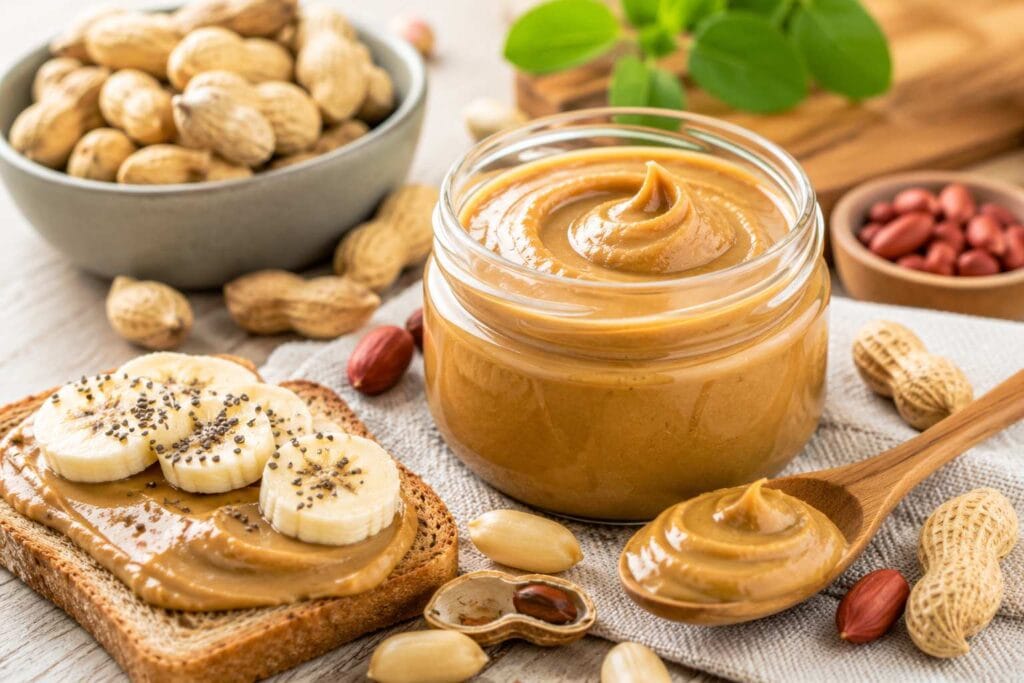 Is Peanut Butter Healthy for Weight Loss?
Yes. Peanut butter supports weight loss because it contains protein, fiber, and healthy fats that increase satiety and help control hunger. However, it is calorie-dense, so eating the recommended serving size (1–2 tablespoons) and choosing natural peanut butter without added sugar are essential for losing weight.
The key is understanding that weight loss depends on maintaining a calorie deficit. Peanut butter can fit into that plan because it helps control hunger, reduces cravings, and makes it easier to stick to healthy eating habits. Pairing a balanced diet with regular exercise is equally important. If you’re looking for an effective low-impact workout, read our guide on Is Pilates Good for Weight Loss to learn how Pilates can support fat loss and improve overall fitness.
Instead of focusing only on calories, it’s important to consider how filling and nutritious a food is. Peanut butter scores surprisingly well in both categories, making it a smart addition to a well-planned weight loss diet when enjoyed in moderation.
| Nutrient | Amount | Why It Matters for Weight Loss |
|---|---|---|
| Calories | 190 kcal | Provides long-lasting energy but should be eaten in moderation due to its calorie density. |
| Protein | 8 g | Helps build muscle and keeps you feeling full longer. |
| Carbohydrates | 7 g | Supplies energy with a relatively low impact on blood sugar when unsweetened. |
| Fiber | 2 g | Supports digestion and increases satiety, helping reduce hunger. |
| Total Fat | 16 g | Mostly heart-healthy unsaturated fats that promote fullness. |
| Vitamin E | 2.9 mg (19% DV) | Acts as an antioxidant and supports immune health. |
| Niacin (Vitamin B3) | 4.3 mg (27% DV) | Helps convert food into energy and supports metabolism. |
| Vitamin B6 | 0.2 mg (12% DV) | Supports protein metabolism and brain function. |
| Magnesium | 57 mg (14% DV) | Supports muscle function, energy production, and blood sugar regulation. |
| Potassium | 208 mg (4% DV) | Helps maintain fluid balance, muscle contractions, and healthy blood pressure. |
What Makes Peanut Butter a Good Weight Loss Food?
Peanut butter provides a unique combination of nutrients that work together to support healthy eating habits.
Protein
Protein is one of the most satisfying nutrients.
A typical two-tablespoon serving of peanut butter contains around 7–8 grams of protein. Research consistently shows that higher-protein foods can increase satiety and reduce overall calorie intake throughout the day.
When you’re less hungry, you’re less likely to reach for unhealthy snacks. If you’re looking for more ways to increase your daily protein intake, explore our guide on High Protein Drinks for Weight Loss. Combining protein-rich foods and drinks can help you stay full longer, support muscle maintenance, and make it easier to stick to your weight loss goals.
Including peanut butter as part of a balanced, high-protein diet can help control cravings and promote sustainable weight management when enjoyed in the right portions.
Fiber
Peanut butter also contains dietary fiber.
Fiber slows digestion and helps create a lasting feeling of fullness. This contributes to better appetite control, which is one of the biggest challenges during weight loss.
Many successful weight loss diets include foods rich in both protein and fiber because they help reduce hunger naturally.
Healthy Fats Improve Satisfaction
One reason peanut butter feels so satisfying is its fat content.
The majority of fats found in peanuts are unsaturated fats, commonly known as healthy fats. These fats support heart health and help make meals more filling.
Without enough healthy fats in your diet, meals may feel less satisfying, increasing the likelihood of overeating later.
Packed With Nutrients: What’s Inside Peanut Butter?
Peanut butter offers much more than just protein and fat.
A serving contains several essential vitamins and minerals that support overall health.
Some of the key nutrients include:
- Vitamin E
- Magnesium
- Phosphorus
- Potassium
- Niacin (Vitamin B3)
- Copper
- Manganese
These nutrients contribute to energy production, muscle function, immune health, and overall wellness.
One of the biggest natural peanut butter benefits is that it often contains only peanuts and a small amount of salt, without added sugars or unnecessary oils.
The fewer ingredients, the better.
Calories
Many people avoid peanut butter because they worry about calories.
It’s true that peanut butter calories can add up quickly. Two tablespoons typically contain about 180–200 calories, depending on the brand.
However, calories alone don’t determine whether a food is healthy.
For example, a sugary snack may contain the same number of calories but provide little protein, fiber, or nutritional value. Peanut butter offers nutrients that help keep you satisfied for longer. To create a more balanced diet, pair it with nutrient-rich fruits like oranges. Learn more in our Navel Orange Nutrition guide to see how vitamin C, fiber, and other essential nutrients can complement your weight loss plan.
The goal isn’t to avoid calories completely. The goal is to choose foods that provide the most nutrition and satisfaction for the calories consumed.
That’s where peanut butter performs well, offering a combination of protein, healthy fats, and fiber that supports fullness and helps reduce unnecessary snacking when eaten in moderation.
Can Peanut Butter Help Reduce Cravings?
Yes, it may help reduce cravings for many people.
Foods rich in protein and healthy fats digest more slowly than highly processed carbohydrates. This slower digestion helps stabilize hunger levels and may reduce sudden cravings.
If you’ve ever felt hungry just an hour after eating a sugary breakfast, you know how frustrating that can be.
Adding a small serving of peanut butter to oatmeal, whole-grain toast, or a smoothie can help create a more balanced meal that keeps you full longer.
This improved appetite control can make sticking to a weight loss plan easier.
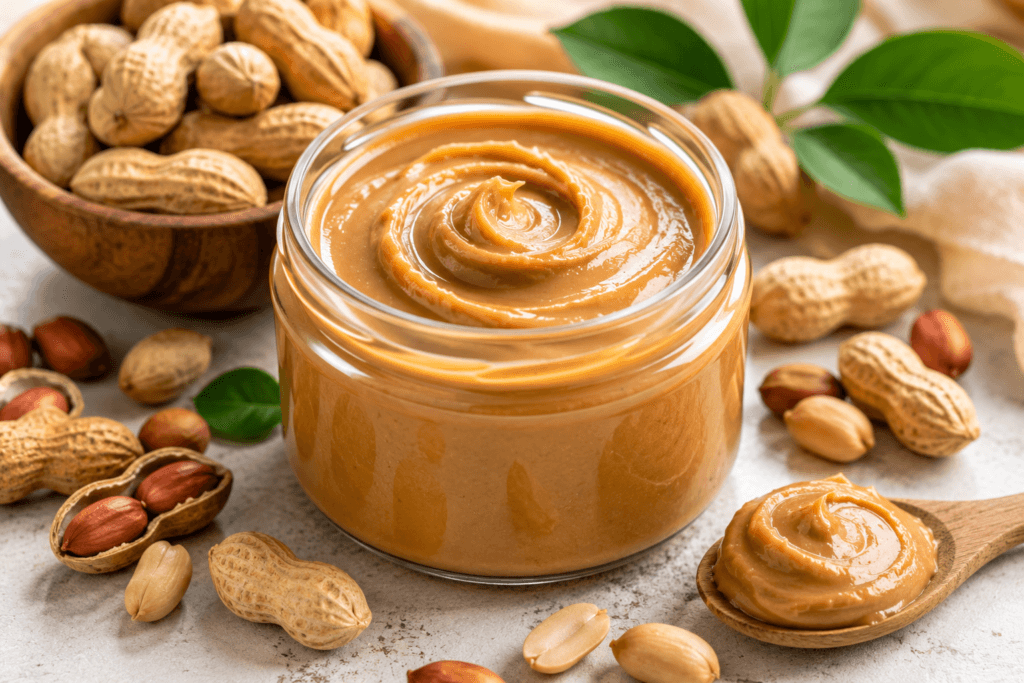
What Are the Best Ways to Eat Peanut Butter for Weight Loss?
The best approach is pairing peanut butter with nutrient-dense foods.
Peanut Butter and Apples
Apple slices with peanut butter create a balanced snack containing fiber, healthy fats, and natural sweetness.
Peanut Butter on Whole-Grain Toast
Whole grains provide additional fiber while peanut butter adds protein and satisfying fats.
Peanut Butter in Smoothies
A tablespoon of peanut butter can improve texture and increase fullness without requiring large portions.
Peanut Butter With Greek Yogurt
This combination delivers a powerful protein boost that can support muscle maintenance during weight loss.
These options work well as weight loss snacks because they provide lasting energy and satisfaction.
Why Portion Control Matters
Peanut butter is healthy, but eating too much can quickly increase your daily calorie intake.
This is where portion control becomes essential.
Many people accidentally consume double or even triple the recommended serving because they estimate rather than measure.
Two tablespoons is considered a standard serving size.
A helpful trick is to measure peanut butter for the first few servings until you become familiar with what the correct portion actually looks like. You can also improve your results by avoiding foods that may slow your progress. Read our guide on 5 Fruits That Could Be Sabotaging Your Weight Loss Goals to learn which fruits are best enjoyed in moderation while trying to lose weight.
Think of peanut butter like a helpful friend—it supports your goals in the right amount but can work against you when consumed excessively. Balance, portion control, and an overall healthy diet are the keys to successful and sustainable weight loss.
Is Natural Peanut Butter Better for Weight Loss?
In most cases, yes.
One of the biggest natural peanut butter benefits is its simpler ingredient list.
Natural varieties often contain:
- Peanuts
- Salt (optional)
Many conventional peanut butter products include added sugars, hydrogenated oils, and extra ingredients that increase calories without providing additional nutritional benefits.
When shopping, read the label carefully.
The ingredient list should ideally be short and easy to understand.
If peanuts are the first ingredient and there aren’t several added sweeteners, you’re probably making a better choice.
Can Peanut Butter Support Better Sleep?
Surprisingly, it may contribute to healthier sleep patterns.
Peanuts contain magnesium, which plays an important role in muscle relaxation and nervous system function.
They also contain tryptophan, an amino acid involved in serotonin production.
While peanut butter isn’t a sleep remedy, including nutrient-rich foods throughout the day may support overall wellness, which includes healthy sleep habits.
Good sleep is strongly linked to successful weight management because poor sleep can increase hunger hormones and cravings.
When Not to Eat Peanut Butter
Peanut butter is nutritious, but it is not the right choice for everyone or every situation. Avoid it if you have a peanut allergy, as even a small amount can trigger a serious allergic reaction. If you’re trying to lose weight, avoid eating large portions because peanut butter is high in calories and can slow your progress. It’s also best to limit brands with added sugar, hydrogenated oils, or excessive sodium, which reduce its health benefits. If you occasionally drink alcohol, it’s equally important to make smarter beverage choices. Check out our guide on 7 Best Alcohol for Weight Loss to learn which drinks are lower in calories and better suited for your weight loss goals. People with certain digestive issues or those following a doctor-prescribed low-fat diet should consult a healthcare professional before eating peanut butter regularly. Choosing natural peanut butter and practicing portion control helps you enjoy its benefits safely while maintaining a balanced, calorie-conscious diet.
How Does Peanut Butter Compare to Other Weight Loss Snacks?
Many traditional snack foods contain refined carbohydrates and added sugars.
Examples include:
- Cookies
- Candy bars
- Sugary granola bars
- Sweetened crackers
Compared to these options, peanut butter often provides better nutrition, greater fullness, and more sustained energy.
Some excellent weight loss snacks include:
- Apple slices with peanut butter
- Celery sticks with peanut butter
- Whole-grain crackers and peanut butter
- Greek yogurt with a spoonful of peanut butter
- Banana slices topped with peanut butter
These combinations offer a better balance of nutrients than most processed snack foods.
FAQs
1. Is peanut butter good for weight loss every day?
Yes, peanut butter can be part of a healthy weight loss diet if eaten in moderation. One to two tablespoons of natural peanut butter provide protein, healthy fats, and fiber that help keep you full and reduce cravings. Avoid varieties with added sugar or hydrogenated oils.
2. Which peanut butter is best for weight loss?
The best peanut butter for weight loss is 100% natural peanut butter made only from peanuts. Choose products with no added sugar, palm oil, or artificial ingredients. Unsweetened peanut butter offers better nutrition and fewer unnecessary calories.
3. Can I eat peanut butter at night while trying to lose weight?
Yes, you can eat peanut butter at night if it fits within your daily calorie goals. A small serving paired with apple slices or whole-grain toast can help satisfy hunger without negatively affecting weight loss.
4. How much peanut butter should I eat for weight loss?
For most people, 1-2 tablespoons (16–32 grams) per day is an ideal serving. Peanut butter is calorie-dense, so measuring your portion helps you enjoy its health benefits without consuming excess calories.
5. Is peanut butter better than Nutella for weight loss?
Yes. Natural peanut butter is generally a healthier choice than Nutella because it contains more protein and healthy fats while being much lower in added sugar. It helps you stay full longer and supports better appetite control.
6. What are the benefits of peanut butter for weight loss?
Peanut butter may support weight loss by:
- Keeping you full for longer
- Reducing unhealthy snacking
- Providing protein for muscle maintenance
- Supplying healthy fats for sustained energy
- Helping maintain stable blood sugar when paired with whole foods
Final Verdict:
Yes, peanut butter can absolutely be part of a successful weight loss plan.
Its combination of protein, fiber, and healthy fats supports fullness, helps with appetite control, and makes healthy eating more enjoyable. The most important factor is portion control, since peanut butter calories can add up quickly.
Choosing natural varieties allows you to enjoy the many natural peanut butter benefits while avoiding unnecessary added sugars and oils.
When used wisely, peanut butter can transform ordinary meals and weight loss snacks into satisfying options that help you stay on track.
Read About nutrition or weigh loss : 5 Fruits That Could Be Sabotaging Your Weight Loss Goals, 7 Best Alcohol for Weight Loss, Navel Orange Nutrition, High Protein Drinks for Weight Loss, Paneer Nutrition, Is Pilates Good for Weight Loss.

Hi, I’m Salem Nasir, founder of Fiturely. I research and write evidence-based articles on fitness, nutrition, weight loss, and healthy living. My mission is to make reliable health information simple, practical, and easy to understand so readers can build healthier habits with confidence
Pingback: Dried Mango Nutrition: Health Benefits, Calories, Vitamin A & Potassium Facts (2026)
Pingback: Spam Nutrition Facts: Calories, Protein, Carbs, Fat & Sodium Guide (2026) - fiturely.com
Pingback: High Protein Drinks for Weight Loss: Best Shakes & Smoothies (2026)