
Key Takeaways
- Pickled beetroot is low in calories and provides important nutrients, including folate, copper, manganese, and antioxidants.
- It may support heart health due to its natural nitrate content, but sodium levels can vary significantly between brands.
- Always check the nutrition label for added sugar and sodium, especially if you’re managing blood pressure or diabetes.
- A half-cup serving (75-115g) is generally the best portion to enjoy its benefits while keeping sodium and sugar intake under control.
- Choosing low-sodium or naturally fermented pickled beetroot is the healthiest option for regular consumption.
Pickled beetroot is healthy in moderate amounts, offering real vitamins, minerals, and antioxidants for very few calories. The main catch is added sodium and sugar, which varies a lot by brand.
Think of pickled beets as a nutrient-dense vegetable wearing a slightly salty, slightly sweet costume. The beet underneath still does its job. You just need to know what the brine adds on top.
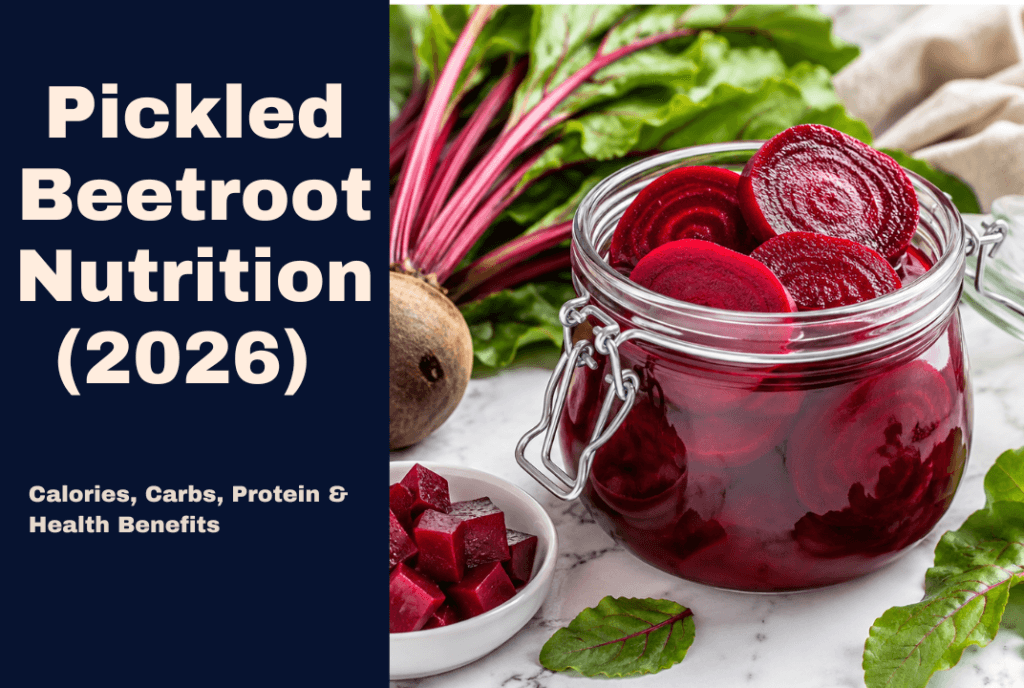
Pickled Beetroot Nutrition Table
| Nutrient | Amount (per 100g) | % Daily Value* |
|---|---|---|
| Calories | 65 kcal | 3% |
| Carbohydrates | 16 g | 6% |
| Sugar | 11 g | Not established |
| Protein | 1 g | 1% |
| Fat | 1 g | 1% |
| Fiber | 1 g | 2% |
| Sodium | 149 mg | 6% |
| Copper | 0.12 mg | 13% |
| Manganese | 0.23 mg | 10% |
| Folate | 28 mcg | 7% |
| Vitamin C | 3 mg | 3% |
*Based on a 2,000-calorie diet; values are approximate and sourced from USDA FoodData Central.
Pickled Beetroot Daily Value (%DV) Percentages
Looking at pickled beetroot purely through its %DV lets you see at a glance which nutrients stand out and which ones barely register. Here’s how a 100-gram serving breaks down, ranked from highest to lowest:
| Nutrient | % Daily Value |
|---|---|
| Copper | 13% |
| Manganese | 10% |
| Sodium | 7% |
| Folate | 7% |
| Carbohydrates | 6% |
| Vitamin C | 3% |
| Calories | 3% |
| Fiber | 2% |
| Protein | 1% |
| Fat | 1% |
Copper and manganese lead the pack, which is unusual for a low-calorie vegetable side. Sodium sits mid-range on this list, but it climbs fast once you move from a 100-gram serving to a full cup, so treat that 7% as a starting point rather than the whole picture.
Pickled Beet Nutrition Facts
Pickled beetroot contains about 65 calories, 16g carbs, 1g protein, 1g fiber, and 149mg sodium per 100g. It is rich in folate, copper, and antioxidants, making it a nutritious choice when eaten in moderation
Here are the pickled beet nutrition facts that matter most, based on a standard 100-gram serving of canned pickled beets from USDA data:
- Calories: about 65
- Carbohydrates: about 16 grams
- Sugar: about 11 grams
- Protein: less than 1 gram
- Fat: less than 1 gram
- Fiber: less than 1 gram
- Sodium: about 149 mg
These numbers form the backbone of nearly every other section below, so keep them in mind as a reference point.
Calories
A 100-gram serving of canned pickled beets has about 65 calories, according to USDA FoodData Central. That’s roughly the same as a small apple, just in vegetable form.
Most of those calories come from carbohydrates, almost 95% of the total, with only tiny amounts from protein and fat. So when people search “pickled beets calories” or “pickled beetroot calories,” the honest answer is: they’re low-calorie, but not calorie-free, and the calories are almost entirely carb-based.
Homemade versions can vary. If your recipe uses a heavier sugar brine, expect the number to climb. Store-bought jars usually list this clearly on the nutrition label, so it’s worth a quick check before assuming all brands are equal. If you’re comparing other root vegetables for your meal plan, our Parsnip Nutrition Facts guide breaks down a similar starchy-sweet vegetable in the same way.
What Are the Pickled Beetroot Macros (Carbs, Protein, Fiber)?
Pickled beetroot macros lean heavily toward carbohydrates, with very little protein or fat. This makes them a side dish, not a protein source.
Per 100 grams, USDA data shows roughly:
- Carbs: about 16 grams
- Protein: less than 1 gram
- Fat: less than 1 gram
- Fiber: less than 1 gram
So if you’re tracking pickled beetroot carbs for a low-carb or keto plan, know that a full cup can add up faster than you’d expect, closer to 36 grams of carbs per cup serving. Pickled beetroot fiber, on the other hand, is fairly modest, so don’t count on beets alone to hit your daily fiber goal.
Pickled beetroot protein is basically negligible. If you’re trying to build muscle or hit a protein target, beets are a flavor and nutrient add-on, not a main player. For a vegetable that behaves differently on the macro front, check out our Steamed Broccoli Nutrition breakdown, which is much higher in fiber and protein per serving.
Sugar and Sodium
This is where pickled beets nutrition facts get a little more complicated. Pickled beetroot sugar comes from two places: the natural sugar in beets themselves, and any added sugar in the brine.
Per 100 grams, sugar content sits around 11 grams, and that’s before accounting for extra-sweet commercial brines. Beets are naturally one of the sweeter root vegetables, so some of this is unavoidable, but added sugar varies a lot brand to brand.
Pickled beetroot sodium is the other number worth watching. USDA data puts sodium around 149 mg per 100 grams, which can climb to over 400 mg in a full cup serving depending on the brine recipe. The FDA’s general recommendation is to stay under 2,300 mg of sodium per day, so a cup of pickled beets alone could use up nearly 20% of that.
If you’re managing blood pressure or watching sodium intake, check labels. This single factor separates a “healthy snack” jar from an “occasional treat” jar.
Vitamins and Minerals
Pickled beetroot vitamins and minerals are genuinely impressive for a low-calorie food. Despite some nutrient loss during processing, pickled beets still deliver a solid micronutrient punch.
Based on USDA nutrient data per 100-gram serving, pickled beets provide:
- Copper: around 13% of the Daily Value
- Manganese: around 10% of the Daily Value
- Folate: around 7% of the Daily Value (higher than most vegetables)
- Vitamin C: small but notable amount
- Magnesium, potassium, iron, and calcium: present in smaller trace amounts
Folate deserves a special mention: pickled beets rank higher in folate than the vast majority of common foods, which matters for anyone focused on cell growth and DNA synthesis, including pregnant women (always check with a doctor on specific dietary needs, though).
Are Pickled Beets Rich in Antioxidants?
Yes, pickled beetroot antioxidants are still present after pickling, just at reduced levels compared to fresh beets. The pickling process can lower antioxidant activity by an estimated 25-70%, but beets start from such a high baseline that even the reduced version holds up well.
The main antioxidants here are betalains and betanins, the pigments responsible for beets’ deep red color. These compounds are linked to reduced oxidative stress in early research, though most human studies still use fresh beet extracts rather than pickled versions specifically.
Translation: pickled beets aren’t the antioxidant powerhouse that raw beets are, but they’re far from empty on this front. If you’re building a vitamin C-rich side to pair with your beets, our Navel Orange Nutrition page is a useful companion read.
Pickled Beetroot Nutrition Per 100g vs Fresh Beetroot: What’s the Difference?
Beetroot nutritional value shifts in a few predictable ways once beets go through pickling. Understanding beetroot nutrition per 100g in both forms helps you decide which one fits your goals.
| Nutrient (per 100g) | Fresh Cooked Beets | Pickled Beets |
|---|---|---|
| Calories | 44 kcal | 65 kcal |
| Sugar | 7 g | 11 g |
| Sodium | 78 mg | 149 mg |
| Fiber | 2.8 g | <1 g |
| Antioxidants | Higher retention | Reduced by 25-70% |
| Shelf life | Short | Long |
| Added sugar/salt | None | Possible (brine) |
Fresh, cooked beets generally have slightly fewer added sugars (no brine sugar), much lower sodium (often under 80 mg per 100g), higher retained antioxidant levels, and a shorter shelf life with more prep work.
Pickled beets trade some of that nutrition in for convenience, shelf stability, and a tangy flavor fresh beets simply don’t have. Neither version is “bad.” They just serve different purposes. Fresh beets win on purity; pickled beets win on practicality.
What’s a Healthy Pickled Beets Serving Size?
A standard pickled beets serving size is about half a cup (roughly 75-115 grams), which keeps calories, sugar, and sodium in a reasonable range. This is the portion most nutrition labels use as their baseline.
Eating a full cup occasionally is fine for most healthy adults, but it roughly doubles all the numbers above, including sodium, which is the one to watch most closely. If you’re eating pickled beets daily as part of a salad or side dish, sticking to a half-cup portion is the safer long-term habit.
How to Read a Pickled Beet Nutrition Label Like a Pro
A pickled beet nutrition label tells you more than just calories. It reveals how a brand made its brine. Three numbers matter most: added sugar, sodium, and serving size.
Here’s a quick checklist when comparing jars at the store:
- Check if “sugar” is naturally occurring or added. The ingredient list will show if sugar or corn syrup was added to the brine.
- Compare sodium per serving across brands, since this varies more than people expect.
- Look at the listed serving size, since some labels use a smaller portion to make numbers look better than they are per cup.
 What Are the Health Benefits of Pickled Beetroot?
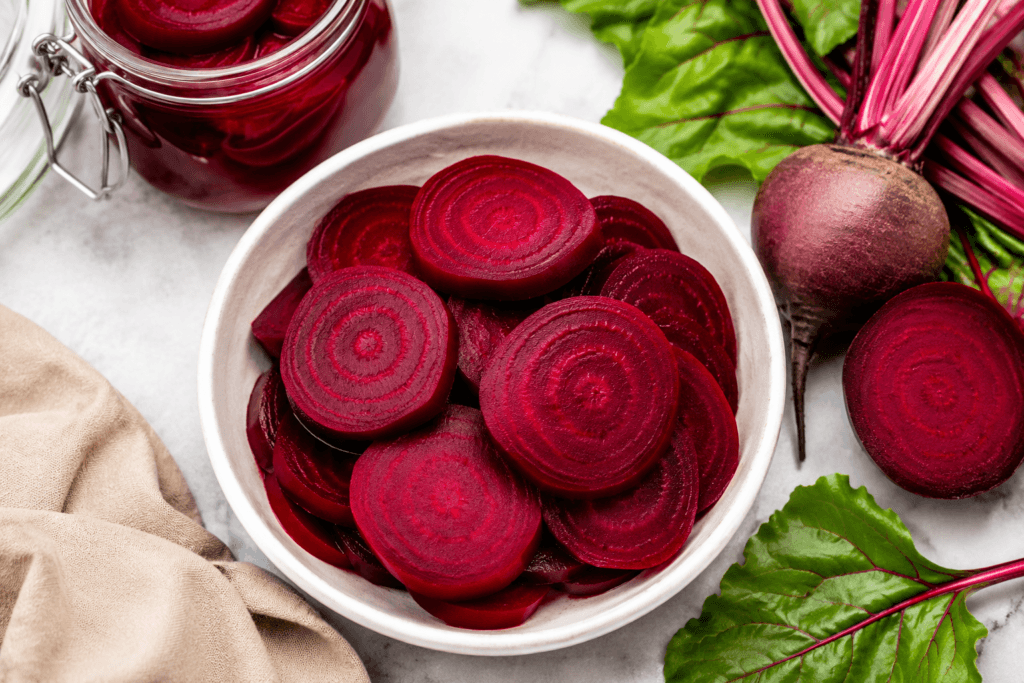 What Are the Health Benefits of Pickled Beetroot?
Pickled beetroot health facts point to several potential benefits, mainly tied to the beet itself rather than the pickling process specifically.
Heart health support: Beets are naturally rich in dietary nitrates, compounds your body converts into nitric oxide, which helps blood vessels relax and may support healthy blood pressure.
Digestive support (in fermented versions only): Naturally fermented pickled beets, not the vinegar-brined kind most jars use, contain live probiotic bacteria that can support gut health. Most supermarket pickled beets are vinegar-based, not fermented, so check the label if this is your goal.
Blood sugar considerations: Some research on vinegar suggests it may modestly blunt post-meal blood sugar spikes, though this hasn’t been studied specifically using pickled beets, so treat it as a possible bonus rather than a guarantee.
Nutrient density on a calorie budget: For under 70 calories per 100 grams, you’re getting folate, manganese, copper, and antioxidants, a solid trade for anyone watching calorie intake.
Are There Any Downsides?
Yes, mainly sodium, added sugar, and oxalates. People managing high blood pressure, diabetes, or kidney stone risk should pay closer attention to pickled beets than the average person would.
Beets naturally contain oxalates, compounds that can contribute to kidney stone formation in people who are already prone to them. If that’s a personal or family health history, it’s worth discussing beet intake with a doctor rather than guessing.
One harmless quirk worth mentioning: beets can turn urine pink or reddish after eating them. It looks alarming the first time it happens, but it’s a completely normal and non-dangerous effect called beeturia.
Who Should Eat Pickled Beetroot?
Pickled beetroot fits especially well into these groups’ diets:
- Athletes: the natural nitrates may support blood flow and stamina.
- Vegetarians: a plant-based source of folate, manganese, and copper.
- Weight loss: low-calorie and filling when paired with protein.
- Heart health: nitrates may support healthy blood pressure.
- Pregnant women (folate): folate supports cell growth, though sodium intake should still be monitored.
- People needing iron-rich vegetables: beets contribute small but useful amounts of iron alongside other minerals.
Who Should Limit Pickled Beetroot?
On the other hand, some people should be more cautious with pickled beets:
- High blood pressure: the sodium content can work against blood pressure goals.
- Kidney stones: oxalates may contribute to stone formation in susceptible people.
- Low sodium diet: a single cup can use up a large share of a daily sodium limit.
- Diabetes (sweet varieties): some brands add extra sugar to the brine, which can affect blood sugar management.
Best Ways to Eat Pickled Beetroot
Pickled beetroot is versatile far beyond the jar. Some easy ways to work it into meals:
- Toss sliced beets into a salad with goat cheese, walnuts, and greens.
- Layer them onto sandwiches or burgers for tang and crunch.
- Blend into hummus or dips for color and a subtle sweetness.
- Serve as a side with grilled meats or fish.
- Add to grain bowls with quinoa, feta, and a light vinaigrette.
- Pair with a fresh citrus element, similar to how Navel Orange Nutrition fits into winter salads, for a bright contrast to the earthy beet flavor.
Buying Tips
When shopping for pickled beetroot, keep these tips in mind:
- Read the ingredient list first: look for real sugar vs. high-fructose corn syrup.
- Compare sodium per serving across brands, not just per jar.
- Choose naturally fermented versions if you want probiotic benefits, since most jars are vinegar-based instead.
- Look for options without artificial colors or preservatives if that matters to you.
- Consider low-sodium or no-added-sugar varieties if you’re managing blood pressure or blood sugar.
- Glass jars tend to preserve flavor and quality better than canned versions over time.
Pros & Cons of Pickled Beetroot
Pros
- Low in calories and fat
- Rich in folate, manganese, and copper
- Contains antioxidants (betalains and betanins)
- May support heart health via dietary nitrates
- Long shelf life and convenient to store
- Naturally fermented versions offer probiotic benefits
Cons
- Higher sodium than fresh beets
- Some brands add extra sugar to the brine
- Low in fiber and protein compared to other vegetables
- Contains oxalates, a concern for kidney stone risk
- Most store-bought versions are vinegar-based, not fermented
For contrast, our Red Onion Nutrition Facts guide covers another pickling-friendly vegetable with a very different sodium and sugar profile worth comparing side by side.
Frequently Asked Questions
How many calories are in a jar of pickled beets?
A standard 16-ounce jar (about 450 grams) can contain roughly 250-300 calories total, though this depends heavily on the brand’s brine recipe and added sugar.
Are pickled beets good for you every day?
In half-cup portions, yes, for most healthy adults. Daily larger portions can push sodium and sugar intake higher than ideal, so moderation matters more with frequent eating.
Do pickled beets help lower blood pressure?
The natural nitrates in beets may support healthy blood pressure by promoting blood vessel relaxation, but the added sodium in pickled versions can partly offset this benefit, so fresh or low-sodium options may work better for this specific goal.
Can you eat pickled beets on a keto diet?
Only in small amounts. A full cup can contain over 30 grams of carbs, which eats into a strict keto carb allowance quickly, so a small side portion is more realistic than a full serving.
Are pickled beets high in sugar?
They contain a moderate amount, around 11 grams per 100 grams, some of which is natural beet sugar and some of which may be added sugar in the brine, depending on the brand.
Do pickled beets cause pink urine?
Yes, this is a harmless and common effect called beeturia. It happens to some people after eating beets and is not a sign of a health problem.
The Bottom Line
Pickled beetroot nutrition offers a genuinely useful mix of low calories, real vitamins, minerals, and antioxidants, with sodium and added sugar as the main trade-offs to manage. Stick to a half-cup serving, read the label for added sugar and sodium, and choose naturally fermented versions if probiotic benefits matter to you. Used thoughtfully, pickled beets are a smart, tangy way to add nutrition to your plate without much calorie cost.
If you’re curious how a shelf-stable, processed food compares nutritionally on the other end of the spectrum, our Is Spam Healthy article looks at a very different kind of pantry staple.
Nutrition figures referenced throughout this article are based on USDA FoodData Central, the official U.S. government database for food composition data. Values can vary by brand and recipe, so always check the specific nutrition label on your jar for the most accurate numbers.

Hi, I’m Salem Nasir, founder of Fiturely. I research and write evidence-based articles on fitness, nutrition, weight loss, and healthy living. My mission is to make reliable health information simple, practical, and easy to understand so readers can build healthier habits with confidence
Pingback: Paneer Nutrition Facts (2026): Calories, Protein, Carbs & Health Benefits
Pingback: Guinness Nutrition Facts (2026): Calories, Carbs, Alcohol, Ingredients & Health Benefits
Pingback: Kidney Beans Nutrition: Calories, Protein, Fiber & Surprising Benefits - fiturely.com
Hmm it appears like your website ate my first comment (it
was extremely long) so I guess I’ll just sum it up what I had written and say, I’m
thoroughly enjoying your blog. I too am an aspiring blog blogger but I’m still new to the whole thing.
Do you have any suggestions for novice blog writers? I’d genuinely appreciate it.