
Weight loss tea can give your metabolism a small, real boost, mainly through compounds like EGCG and caffeine. It is not a substitute for diet or exercise. Green tea for weight loss has the strongest research support, followed by oolong and black tea. Herbal teas like ginger, cinnamon, and peppermint help mostly with appetite and digestion. One to three cups a day is generally safe for most healthy adults. Results are modest and slow, not overnight.
This guide walks through what actually happens in your body when you drink tea for weight loss, which types genuinely help, and how to fit them into a routine that doesn’t leave you disappointed or jittery.
Does Weight Loss Tea Really Work?
Yes, but modestly. Tea can support fat loss, not cause it on its own. The active compounds in tea, mainly catechins and caffeine, give a small, temporary boost to metabolism. Studies from Harvard T.H. Chan School of Public Health and the NIH Office of Dietary Supplements note this effect is real but small. Tea works best alongside diet and exercise, not instead of them. Anyone expecting dramatic results from tea alone will likely be let down.
Here’s the honest mechanism. Certain teas contain EGCG (epigallocatechin gallate), a catechin that appears to slightly increase the number of calories your body burns at rest. Combine that with caffeine, and you get a mild thermogenic effect. Basically, your body runs its engine a touch hotter for a few hours.
That said, research consistently shows the effect is small, often just an extra few dozen calories burned per day. It’s not nothing, but it’s not a replacement for a proper calorie deficit either. Think of tea as a helper, not a hero.
What Is the Best Tea for Weight Loss?
There isn’t one single “best” tea. Different teas support weight loss in different ways. Green tea for weight loss has the most research behind it. Oolong tea for weight loss and black tea and weight loss studies show similar, slightly weaker effects. Herbal options like ginger tea for weight loss and cinnamon tea for weight loss help mainly through appetite and digestion, not direct fat burning. The “best” one really depends on your goals and caffeine tolerance.
Green Tea for Weight Loss
Green tea is the most studied fat burning tea on the planet, and for good reason. Research published through the NIH links its catechin content, especially EGCG, to modest increases in fat oxidation during exercise. It’s also naturally low in calories, making it an easy swap for sugary drinks.
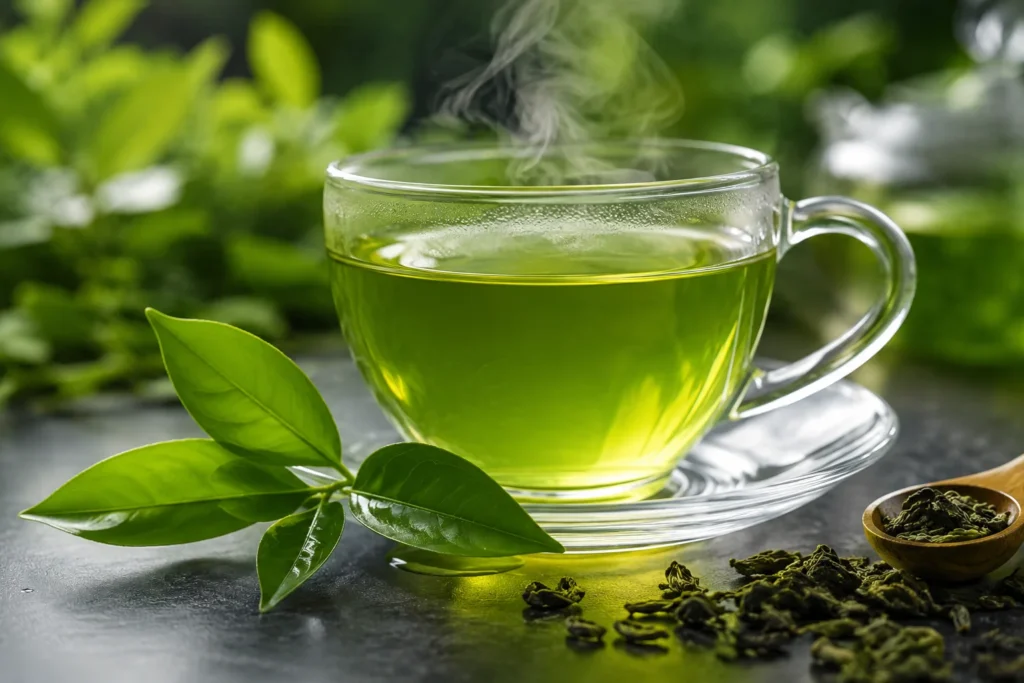
Mayo Clinic notes green tea is generally safe for most healthy adults in moderate amounts. It won’t make you drop a dress size in a week, but as a daily habit, it’s a smart, low risk choice.
Black Tea and Weight Loss
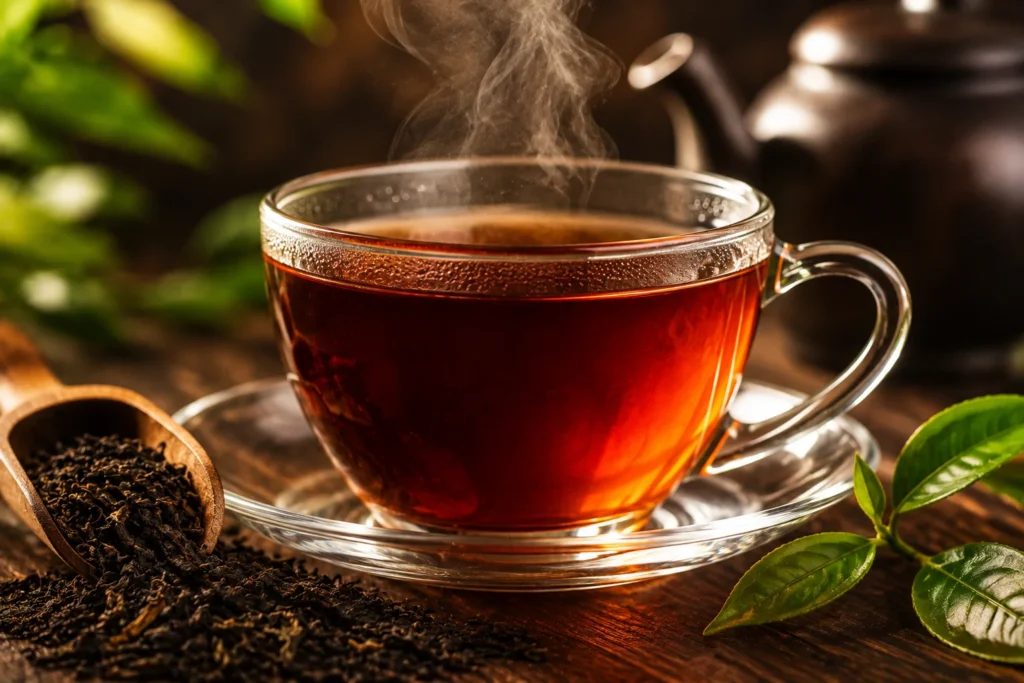
Black tea takes a different route. It’s fermented, which changes its compound profile compared to green tea. Some research suggests black tea may support gut bacteria linked to lower body weight, an emerging area still being studied. It’s also a solid caffeine free tea for weight loss alternative once decaffeinated, for people sensitive to caffeine.
Oolong Tea for Weight Loss

Oolong sits between green and black tea in processing, and interestingly, some studies suggest it may support fat metabolism slightly more than green tea in certain contexts. It’s a good pick if you want variety without giving up the metabolism angle entirely.
Ginger, Lemon, and Cinnamon Tea for Weight Loss
Ginger tea for weight loss is popular because ginger may help reduce feelings of fullness and support digestion, according to small clinical studies.

Lemon tea for weight loss doesn’t burn fat directly, but it adds flavor with zero calories, which helps people cut sugary drinks. Cinnamon tea for weight loss may help stabilize blood sugar, according to research summarized by the American Diabetes Association, which can reduce cravings over time.
Peppermint, Hibiscus, and Detox Tea
Peppermint tea for weight loss is caffeine free and may help curb appetite by reducing the urge to snack, a small effect, but a real one people report.

Hibiscus tea for weight loss has been studied for its impact on blood pressure and may support metabolic health indirectly. Detox tea for weight loss products, however, deserve a caution flag. Many rely on laxative effects that cause water loss, not fat loss. The FDA has issued warnings about unregulated detox tea marketing claims, so it’s worth reading labels carefully.
Popular Weight Loss Teas at a Glance
| Tea Type | Caffeine? | Main Benefit | Best Time to Drink | Extra Note |
|---|---|---|---|---|
| Green tea for weight loss | Yes (moderate) | Boosts metabolism via EGCG | Morning tea for weight loss | Most researched option |
| Oolong tea for weight loss | Yes (moderate) | Supports fat oxidation | Midday | Good variety option |
| Black tea and weight loss | Yes (moderate) | Gut health support | Morning | Can be decaffeinated |
| Ginger tea for weight loss | No | Appetite control, digestion | Anytime | Gentle on the stomach |
| Cinnamon tea for weight loss | No | Blood sugar stability | With meals | Reduces sugar cravings |
| Peppermint tea for weight loss | No | Appetite suppressing tea effect | Evening | Best tea to drink before bed for weight loss |
| Hibiscus tea for weight loss | No | Blood pressure support | Anytime | Tart, antioxidant rich |
| Detox tea for weight loss | Varies | Water loss (not fat loss) | Use cautiously | FDA flagged marketing concerns |
Can Tea Help Burn Belly Fat?
Tea can help a little with belly fat, but only as part of an overall calorie deficit. There’s no tea that spot reduces fat from one area of the body. Green and oolong teas show the strongest links to visceral (belly) fat reduction in research, but the effect only shows up alongside diet changes. Marketing that promises a tea to drink for belly fat loss without lifestyle changes is overselling it.
A widely cited study in the Journal of Nutrition found participants who combined green tea catechins with regular exercise lost more visceral fat than those who exercised alone. The tea only group without exercise saw far smaller changes. That’s the pattern across most of this research. Tea amplifies effort, it doesn’t replace it.
Which Tea Boosts Metabolism the Most?
Green tea currently has the strongest evidence for boosting metabolism, thanks to its EGCG plus caffeine combination. Oolong tea comes in a close second. Herbal teas like ginger and cinnamon support metabolism indirectly through blood sugar and digestion. If your main goal is a metabolism boosting tea, green or oolong are the safest bets.
Worth noting, caffeine itself is a big part of the metabolism boost. The NIH and FDA both note caffeine can temporarily raise metabolic rate. So a caffeine free tea for weight loss won’t give the same thermogenic kick, even if it’s still healthy in other ways.
When Should You Drink Tea for Weight Loss?
Timing matters less than consistency, but there are smart windows. A morning tea for weight loss, like green or black tea, pairs well with breakfast and gives an energy lift without excess calories. For a best tea to drink before bed for weight loss, go caffeine free. Peppermint or chamomile style herbal teas won’t disrupt sleep, and poor sleep is actually linked to weight gain, per CDC research on sleep and metabolic health.
Drinking tea before meals may also help. Some studies show it can slightly reduce how much people eat afterward, likely due to the warm liquid volume signaling fullness.
Can I Drink Weight Loss Tea Every Day?
Most people can safely drink one to three cups of tea daily. The main limit is caffeine. The FDA generally considers up to 400mg of caffeine a day safe for most healthy adults, which is roughly four to five cups of brewed tea. Pregnant individuals, people with heart conditions, or those sensitive to caffeine should check with a doctor first. Detox tea for weight loss blends with laxative herbs, like senna, shouldn’t be used daily. That’s a recipe for dehydration, not health.
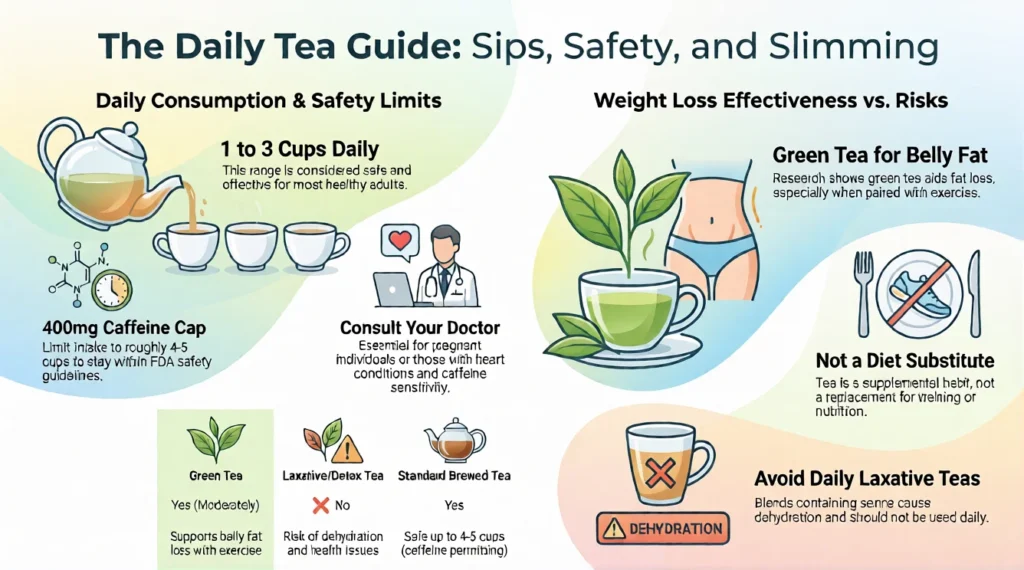
Is Green Tea Good for Losing Belly Fat?
Yes, moderately. Green tea is one of the better studied options for this specific goal. Does green tea help with weight loss and belly fat specifically? Research says yes, in small amounts, especially when paired with exercise. It’s not a substitute for training or diet, but it’s a reasonable daily habit with very few downsides for most healthy adults.
Beyond Tea: What Actually Drives a Real Fat Loss Journey
Here’s the part most weight loss tea ads leave out. Calorie deficit is still the single biggest factor in weight loss, according to virtually every major health authority, including the CDC and NHS. No tea overrides basic energy balance. A sustainable fat loss journey comes from small, repeatable habits, not shortcuts.
A few things that actually move the needle:
- Balanced diet for weight loss: think whole foods, protein, fiber, and portion awareness. Even something as simple as measuring your rice portions at dinner can add up over a month.
- Exercise and weight management: strength training and cardio both help preserve muscle while losing fat. Fitness habits compound, small daily movement beats occasional intense workouts.
- Hydration and weight loss: mild dehydration is sometimes mistaken for hunger. Drinking water, and yes, tea counts, supports this.
- Healthy lifestyle habits: sleep, stress management, and consistency matter more than any single drink.
- Swapping high calorie drinks, a pint of Guinness has roughly 210 calories, for a cup of unsweetened tea is a simple, low effort calorie save over a week.
None of this needs to feel extreme. A healthy lunch with lean protein, vegetables, and a modest carb portion, paired with a cup of tea afterward, is a realistic daily template, not a diet culture fantasy.
Healthy Weight Loss Drinks: A Few Simple Recipes
Healthy weight loss drinks don’t need fancy ingredients. Try green tea with a squeeze of lemon and a pinch of grated ginger. Or a cinnamon hibiscus blend, steeped and served over ice for a low calorie tea drinks option in summer. Keep sweeteners minimal, added sugar cancels out most of the benefit.
Herbal tea for weight loss blends work well when they combine two or three of these ingredients rather than relying on one “miracle” herb. Simplicity tends to win here.
Can Drinking Tea Help You Lose Weight? The Bottom Line
Can drinking tea help you lose weight? A little, yes, as one piece of a much bigger puzzle. Antioxidant rich tea options like green, oolong, and hibiscus offer real, modest metabolic support backed by legitimate research from Harvard, the NIH, and Mayo Clinic. But natural drinks that support weight loss only work when they’re paired with a healthy metabolism, movement, and a diet that doesn’t fight against your goals.
Skip the slimming tea products promising ten pounds in a week. That’s usually water weight and marketing. Stick with real teas, real food, and real consistency, and the results, while slower, actually stay.
FAQs:
Does weight loss tea really work?
Yes, but only modestly. Tea can slightly boost metabolism and support fat loss, but it works best alongside diet and exercise, not as a replacement for them.
Can tea help burn belly fat?
A little. Green and oolong tea show the strongest links to belly fat reduction, but only when combined with a calorie deficit and regular movement.
What is the best tea for losing weight?
Green tea has the most research behind it, thanks to its EGCG and caffeine combination. Oolong and black tea are close runners up.
When should you drink tea for weight loss?
Morning or before meals works well for green and oolong tea. For an evening option, choose a caffeine free tea like peppermint so it doesn’t disrupt sleep.
Which tea boosts metabolism the most?
Green tea, followed closely by oolong tea. Both combine catechins with natural caffeine, which gives the strongest, though still modest, thermogenic effect.
Can I drink weight loss tea every day?
Most healthy adults can drink one to three cups daily without issue. Stay under roughly 400mg of caffeine a day, and avoid daily use of laxative based detox teas.
Is green tea good for losing belly fat?
Yes, moderately. It’s one of the safer, better studied options, but it supports fat loss rather than causing it on its own.
Sources
Harvard T.H. Chan School of Public Health, Tea, NIH Office of Dietary Supplements, Fact Sheets, Mayo Clinic, Green tea, weight loss, and safety, U.S. FDA, Caffeine and food safety, U.S. FDA, Warnings on weight loss and detox tea marketing claims, CDC, Sleep and health, American Diabetes Association, Cinnamon and blood sugar

Hi, I’m Salem Nasir, founder of Fiturely. I research and write evidence-based articles on fitness, nutrition, weight loss, and healthy living. My mission is to make reliable health information simple, practical, and easy to understand so readers can build healthier habits with confidence
Pingback: Herbal Tea Benefits: 10 Healthy Reasons to Drink It - fiturely.com
Pingback: How to Brew Green Tea Perfect Cup, Zero Bitterness - fiturely.com