
Key Takeaways
- Spironolactone is not a weight-loss medication. It may reduce water weight by helping the body eliminate excess fluid, but it does not directly burn body fat.
- Some people notice temporary weight changes, especially if they have fluid retention or conditions like PCOS, but results vary from person to person.
- Fat loss still depends on a calorie-controlled diet, regular exercise, quality sleep, and healthy lifestyle habits.
- Talk to your healthcare provider before starting or stopping spironolactone, as it can affect potassium levels, blood pressure, and may interact with other medications.
If you’ve searched spironolactone weight loss, chances are you’ve either been prescribed this drug for acne, PCOS, or blood pressure, and noticed the scale moving. Or you’ve heard someone talk about it as a “secret” weight loss trick. Let’s clear the fog with facts, not hype.
Spironolactone is a prescription diuretic, not a fat-loss drug. But the story is more layered than a simple yes-or-no, especially for women dealing with hormonal weight gain. Here’s the answer-first breakdown, backed by verified medical sources.
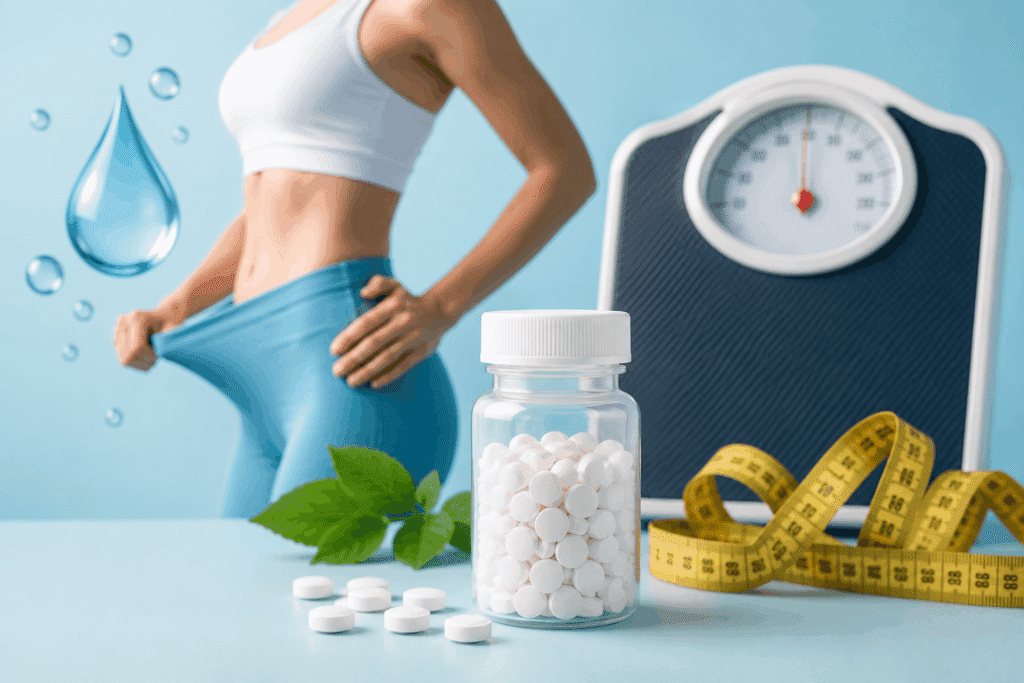
What Is Spironolactone?
Spironolactone is a potassium-sparing diuretic first approved by the FDA in 1960. It works as an aldosterone blocker, meaning it stops a hormone called aldosterone from telling your kidneys to hold onto sodium and water.
Unlike most water pills, it doesn’t strip your body of potassium. This makes it a preferred choice for long-term use in edema treatment, heart failure, and high blood pressure management. It’s also a well-known androgen blocker, which is why it’s prescribed off-label for hormonal skin and hair issues.
Comparison Table:
| Factor | Water Weight Loss (Spironolactone) | Fat Loss (Diet & Exercise) |
|---|---|---|
| Speed | Fast (days to 1-2 weeks) | Slow (weeks to months) |
| Mechanism | Fluid and sodium removal via kidneys | Calorie deficit, fat cell shrinkage |
| Permanence | Temporary, returns once drug stops | Long-term if habits are sustained |
| Visible on scale | Yes, quickly | Gradual |
| Affects body composition | No | Yes |
| Needs medical supervision | Yes | Not necessarily |
Does Spironolactone Actually Help You Lose Weight?
Yes, spironolactone can cause some weight loss, but it’s almost entirely body water weight, not fat. No clinical study has ever tested this drug specifically as a weight loss treatment.
The drug flushes excess fluid tied to sodium retention, which is why people notice less bloating and a lower number on the scale within days. This isn’t the same as losing body fat, which requires a calorie deficit over time.
If your goal is genuinely reducing body fat, pairing any hormonal treatment with real nutrition changes matters more. For simple food swaps, this piece on Is Peanut Butter Healthy is a good place to start if you’re rethinking snacks.
Why Do People Lose Weight on Spironolactone?
People lose weight on spironolactone mainly because it corrects fluid retention caused by hormone imbalances. This is especially common in women with PMS-related bloating or PCOS-driven hormone-related weight changes.
By blocking aldosterone, the drug allows kidneys to release trapped sodium and water. Once that excess fluid is gone, clothes fit looser and scale weight drops, even though actual tissue mass hasn’t changed much.
This is why doctors are careful to explain the difference before prescribing it for anything weight-related.
Does Spironolactone Burn Fat or Just Water Weight?
Spironolactone does not burn fat. It works purely as a potassium sparing diuretic, removing fluid, not fat cells. Any fat-related benefit is indirect, not chemical.
In some PCOS cases, lowering excess testosterone can ease insulin resistance, which may make fat loss easier over time through better appetite and metabolism regulation. But the drug itself isn’t a fat-burning mechanism.
If you’re building a sustainable routine alongside treatment, movement matters. Many women managing PCOS ask Is Pilates Good for Weight Loss?; it’s a low-impact option that pairs well with hormone-focused treatment plans.
Can Spironolactone Help With Weight Loss for Hormonal Conditions?
Yes, spironolactone can indirectly help with hormonal weight gain, particularly in women with elevated androgens. This is its most legitimate weight-related use case.
- It’s frequently prescribed for spironolactone for PCOS weight loss support
- It reduces testosterone-driven insulin resistance in some patients
- It eases bloating tied to hormone fluctuations
- It’s not a substitute for diet, exercise, or insulin-sensitizing medications
- Results vary widely between individuals
This makes it a supporting tool in hormonal weight management, not a standalone solution.
Spironolactone and Weight Loss for Women: What’s Different?
Spironolactone and weight loss for women is a much more common conversation than for men, largely because of its anti-androgen medication properties. Women dealing with PCOS, acne, or excess hair growth are the primary group prescribed this drug off-label.
For these women, the scale change often reflects reduced bloating tied to hormone cycles, not fat loss. Doctors typically pair it with lifestyle guidance, including hydration and balanced meals.
Small dietary choices matter here too, even fruit intake can affect bloating. This roundup of 5 Fruits That Could Be Sabotaging your progress is worth a read if you’re already watching sodium and sugar closely.
Spironolactone Weight Loss Before and After:
Spironolactone weight loss before and after results typically show a modest drop of 2 to 5 pounds within the first couple of weeks, mostly water weight. This isn’t a dramatic transformation. It’s a fluid shift.
Photos or scale changes beyond that window usually reflect other factors: diet, hydration habits, or hormone stabilization over months, not the drug alone. Anyone expecting a fat-loss transformation from spironolactone alone will likely be disappointed.
Spironolactone Weight Loss Reviews: What Do Real Users Say?
Spironolactone weight loss reviews online are mixed. Many users report reduced bloating and puffiness, especially around the face and ankles. Others report no noticeable scale change at all.
A smaller group reports mild weight gain initially, often linked to the body adjusting electrolyte balance and potassium levels in the first few weeks. This settles for most people once the body adapts to the medication.
How Much Weight Can You Lose on Spironolactone?
There’s no fixed number. How much weight can you lose on spironolactone depends on how much excess fluid your body was retaining beforehand. People with significant PMS or PCOS-related bloating tend to notice more change than those without fluid issues.
On average, expect a few pounds of water weight, not sustained fat reduction. Doses for this kind of fluid management typically range from 25mg to 100mg daily, prescribed and monitored by a doctor.
 How Long Does It Take to Lose Water Weight on Spironolactone?
 How Long Does It Take to Lose Water Weight on Spironolactone?
Most people notice reduced bloating within 1 to 2 weeks of starting spironolactone. Full fluid-balance effects can take up to a month to stabilize, depending on dosage and individual kidney function.
This timeline matches how diuretic medication generally works: gradual fluid correction, not instant transformation. Staying properly hydrated during this period actually helps the process work safely.
Can Spironolactone Cause Weight Gain Instead?
In rare cases, yes. Can spironolactone cause weight gain instead is a fair question. Some people experience temporary bloating as their body adjusts to changing sodium retention and fluid balance in the first days of treatment.
This is usually short-lived. If weight gain persists beyond a few weeks, it’s worth flagging to your doctor rather than assuming it’s normal.
Spironolactone Weight Loss Side Effects to Know
Spironolactone weight loss side effects and general side effects overlap significantly since the “weight loss” is really a diuretic effect. Common ones include:
- Dizziness or headache
- Stomach upset, nausea, or diarrhea
- Irregular menstrual periods
- Breast tenderness (in both men and women)
- High potassium levels, which can be serious if untreated
Watch for dehydration signs too: excessive thirst, dark urine, or confusion. These mean your body has lost more fluid than it should, which ties directly back to how this prescription diuretic functions.
Fluid Retention, Water Retention, and Edema Treatment Explained
Fluid retention and water retention happen when the body holds onto excess sodium and fluid, often due to hormone imbalances, heart or kidney issues, or high salt intake. Spironolactone was originally designed as an edema treatment for exactly this problem.
Common signs include swollen ankles, puffiness around the eyes, and rapid weight fluctuation. If you’re dealing with swollen ankles treatment needs outside of a diagnosed condition, it’s worth checking with a doctor before assuming a diuretic is the fix.
Simple food choices can help manage mild fluid retention too. Something like Pickled Beetroot is often discussed for its nitrate content, though sodium levels in pickled foods should be watched closely.
Spironolactone Uses Beyond Weight Loss
Spironolactone’s real, FDA-backed value goes far beyond the scale. Its core spironolactone uses include:
- Heart failure management
- Blood pressure medication for hypertension
- Hormonal acne medication for cystic, hormone-driven breakouts
- PCOS treatment support for symptom relief
- Acne and hair loss treatment tied to excess androgens
- Testosterone reduction in cases of female hormonal imbalance
This range is exactly why it’s prescribed so widely, even though weight loss was never its intended purpose.
Water Weight vs. Fat Loss:
Water weight vs fat loss is the single most important distinction in this entire topic. Water weight shifts in days and returns just as fast once fluid balance resets. Fat loss is a slower, structural change in body composition that sticks around when supported by consistent habits.
If your long-term goal is fat loss, protein intake and consistent movement matter more than any diuretic. For a practical boost, many people look at High Protein Drinks or Best Protein Bars to support muscle retention while managing calories. Both fit naturally alongside any medically supervised treatment plan.
Even small produce choices, like whether a Navel Orange fits your sugar goals for the day, add up over weeks in a way spironolactone never will.
Frequently Asked Questions:
Is spironolactone weight loss noticeable within the first week?
Yes, many people notice some reduction in bloating and scale weight within the first 3 to 7 days. This early drop is fluid, not fat, so don’t expect it to reflect actual body composition change yet.
Do I need to change my diet while taking spironolactone for weight-related bloating?
Not strictly, but avoiding high-sodium foods and potassium supplements (unless prescribed) helps the drug work more predictably. Staying hydrated is just as important as cutting salt.
Can men take spironolactone for water weight the same way as women?
Technically yes, but it’s prescribed far less often for men because of side effects like breast tenderness and gynecomastia. Its off-label weight-related use is almost entirely centered on women’s hormonal conditions.
Will I regain the water weight after stopping spironolactone?
Yes, in most cases. Since the weight lost is fluid, not fat, your body typically returns to its previous fluid balance within days to a couple of weeks after stopping the medication.
Is it safe to combine spironolactone with a weight loss diet or workout plan?
Generally yes, under medical supervision. Just avoid extreme calorie deficits or excessive sweating-based workouts without adjusting hydration, since both diuretics and intense exercise affect fluid and electrolyte levels.
The Final:
Spironolactone is a legitimate, well-studied medication, just not for weight loss. It’s a potassium sparing diuretic and aldosterone blocker that treats real conditions: heart failure, high blood pressure, PCOS, and hormonal acne.
Any weight change you see on it is almost entirely water, not fat, and it isn’t built to last once you stop taking it. If you’re managing hormone-related weight changes or fluid retention, talk to your doctor about whether this drug fits your specific situation, and keep your expectations realistic about what the scale is actually telling you.
Here are Some Weight loss & Nutrition Articles :High Protein Drinks, Best Protein Bars, Pickled Beetroot, Navel Orange, 5 Fruits That Could Be Sabotaging, Is Pilates Good for Weight Loss?, Is Peanut Butter Healthy.

Hi, I’m Salem Nasir, founder of Fiturely. I research and write evidence-based articles on fitness, nutrition, weight loss, and healthy living. My mission is to make reliable health information simple, practical, and easy to understand so readers can build healthier habits with confidence