
Walk down any supermarket aisle and you’ll see fifty bars all screaming “high protein” at you. Most won’t actually help you lose weight, some are basically candy bars wearing a gym membership. This guide cuts through the marketing and shows you what actually works.
 Is Protein Bar Good for Weight Loss?
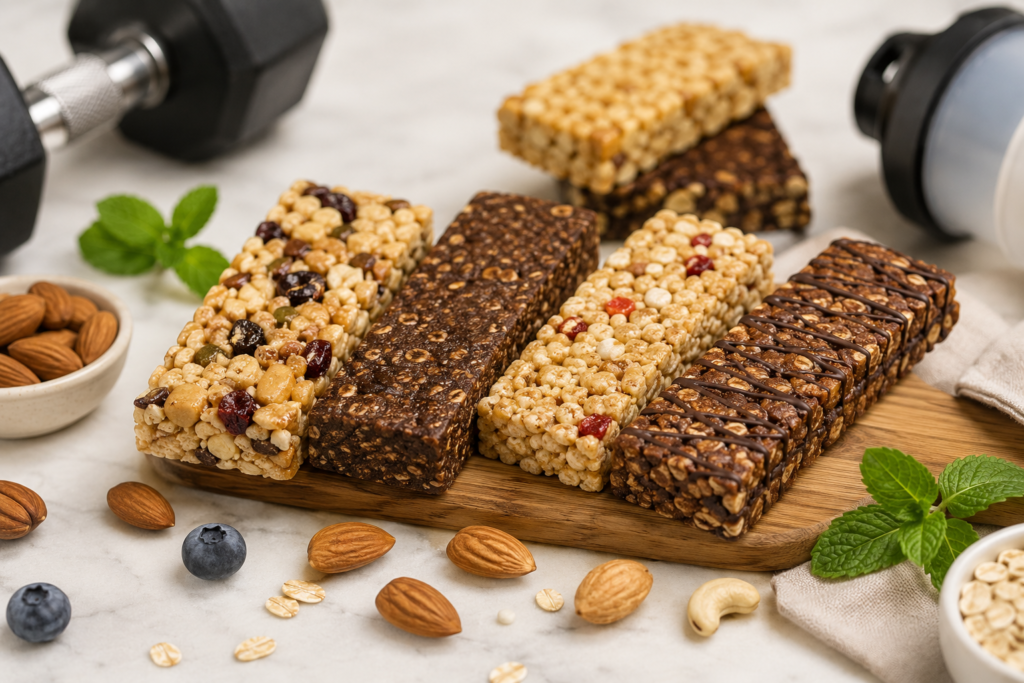 Is Protein Bar Good for Weight Loss?
A good weight-loss protein bar has at least 12-20 grams of protein, under 5 grams of added sugar, and a calorie count that fits inside a snack, not a meal. Fiber matters just as much as protein here. If a bar is light on both, it’s just a dessert in disguise.
Nutrition experts generally recommend at least 20 grams of protein per bar to make a real dent in hunger and muscle preservation. Dietitians interviewed by Forbes and Healthline echo this: protein amount and source matter more than flashy packaging.
Fiber is the quiet hero of weight-loss protein snacks. Bars with 5+ grams of fiber slow digestion, keep blood sugar steadier, and help you actually feel full instead of just feeling like you ate something.
Protein Do You Need in a Day:
Most healthy adults need around 0.8 grams of protein per kilogram of body weight daily, though many experts now suggest more. Harvard Health notes this RDA is really just the minimum to avoid deficiency, not the optimal target for weight control.
For a 150-pound person, that’s roughly 54 grams a day at the bare minimum. Harvard nutrition researchers actually recommend a wider range, 1.2 to 2.0 grams per kilogram, for people who want to preserve muscle while losing fat, which works out closer to 80-135 grams daily for that same person.
Here’s the surprising part: the average American gets only about 10-20% of daily calories from protein, often spread unevenly across meals, with most loaded at dinner. That’s exactly the gap protein bars for weight loss are designed to fill, especially at breakfast or mid-afternoon when willpower (and time) runs low.
Low-Calorie:
A genuinely low calorie protein bar sits well under 200 calories, and under FDA rules, the term “low calorie” technically only applies to foods with 40 calories or less per reference serving. Most full-size bars don’t legally qualify, even when the label implies otherwise.
This is where label tricks creep in. Brands sometimes use larger serving sizes or split a bar into “two servings” to make the per-serving numbers look slimmer than reality.
If you’re chasing low calorie protein bars for a genuine calorie deficit, look at the whole bar’s stats, not just the front-of-package claim or a half-serving number buried in fine print.
Bars like IQBAR (160-180 calories) and RXBAR (200 calories) are reasonable benchmarks for what a sensible low-calorie option actually looks like in the real world.
High-Protein Picks:
The strongest high protein snack bars hit 18-28 grams of protein per serving without piling on excess sugar or filler carbs. Anything advertising “high protein” with single-digit grams is bending the truth.
Under FDA labeling regulations, a “high protein” claim must meet a specific threshold tied to the Daily Value, brands can’t just print the phrase on a bar with 8 grams of protein and call it accurate. If the math doesn’t add up, skip it.
David Protein Bars currently lead the pack at around 28 grams of protein for just 150 calories, while NuGo Stronger Bars and Quest Bars both land in the 20-25 gram range using whey or milk protein isolates.
These high-protein options work especially well for protein bars for fat loss, since they keep you full longer per calorie spent, a much better ratio than a typical granola bar.
Best Low Carb Protein Bars:
The best low carb protein bars right now combine 12-20 grams of protein with under 10 grams of net carbs, usually using nuts, egg whites, or pea protein instead of oats and syrups. Brands like Quest, David, and IQBAR consistently hit this profile.
Quest bars, for instance, are built around 15 grams of protein with roughly 1 gram of sugar and about 2 grams of net carbs per bar, a favorite among keto and low-carb dieters.
These options work well if you’re managing blood sugar or simply prefer fewer carbs without giving up a sweet-ish snack.
Why Does Sugar Content Matter So Much in Protein Bars?
Sugar content matters because many “healthy” bars hide as much sugar as a candy bar, quietly sabotaging your weight-loss progress. Protein bars with low sugar avoid this trap and keep your calorie deficit intact.
The American Heart Association recommends capping added sugar at about 25 grams a day for women and 36 grams for men. A single mislabeled “protein” bar can eat up a third of that allowance in one sitting, not exactly a win for fat loss.
Some popular bars, like certain Clif Builder’s flavors, contain 16-17 grams of added sugar per bar, nearly two-thirds of a woman’s entire daily limit in one snack. Always flip the bar over and check the “Added Sugars” line, not just total sugar.
Watch out for sugar alcohols too. Ingredients like maltitol and erythritol show up in many “0g sugar” bars and can cause real digestive discomfort for sensitive stomachs, even though they technically dodge the sugar line on the label.
Top 10 Protein Bars for Weight Loss
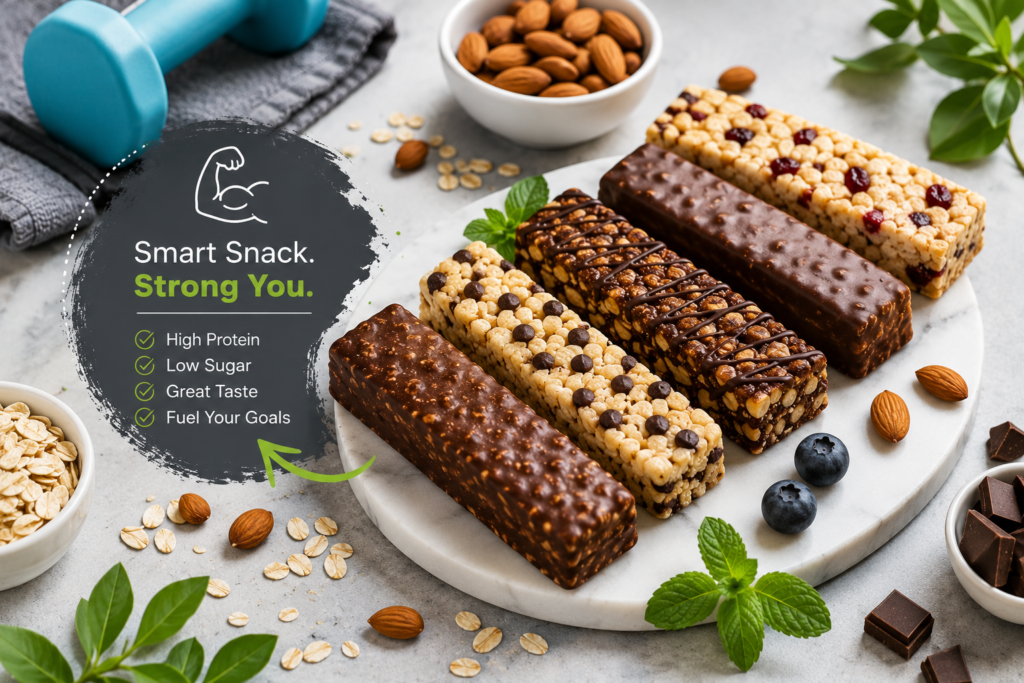 These ten consistently show up in dietitian-reviewed roundups for hitting the sweet spot of protein, fiber, and controlled sugar, a reliable shortlist of healthy protein bars worth trying.
1. RXBAR:
Roughly 12g protein, 5g fiber, 0g added sugar, and 200 calories, built from whole-food ingredients like egg whites, nuts, and dates, no protein powder needed.
2. Quest Nutrition Protein Bars:
About 15-21g protein with roughly 1g sugar and 2-4g net carbs, making them a go-to for the best low carb protein bars category.
3. David Protein Bars:
A standout for sheer protein density, around 28g protein at just 150 calories with 0g sugar, though some sweetness comes from sugar alcohols.
4. IQBAR:
Plant-based pea protein bars with about 12g protein, 0g added sugar, and 6-9g fiber, plus only 160-180 calories, a solid pick among low calorie protein bars.
5. KIND Protein MAX:
Delivers around 20g protein with about 1g sugar per bar, leaning on nuts and crisped protein for texture.
6. ALOHA Organic Protein Bars:
A favorite plant-based option, especially noted for women, with good fiber and roughly 35% of the daily iron value per serving, a nutrient many women need more of.
7. NuGo Stronger Bars:
Among the higher-protein options at up to 25g, sourced from whey and milk protein isolates, with a moderate 6-8g of sugar.
8. GoMacro Protein Pleasure Bars:
A plant-based organic pick with about 20g protein from pea and brown rice protein, slightly higher in natural sugar (9-11g) than some competitors.
9. ONE Protein Bars:
Offers around 18g protein with just 3g sugar, popular for its dessert-like flavors without the sugar crash.
10. think! Protein Bars:
Provides around 20g protein per bar and is widely available, making it an easy, accessible pick for daily use.
Are There Specific Protein Bars for Women’s and Men’s Weight Loss Goals?
Not officially, but protein bars for women weight loss often emphasize added iron and calcium, while protein bars for men weight loss tend to lean into higher total protein and calorie counts for larger frames. The biology behind it is real, even if the marketing oversimplifies it.
Women generally need more iron due to menstrual cycles, and dietitians point to bars like ALOHA, which deliver meaningful iron percentages alongside protein and fiber.
Men, on average, carry more lean muscle mass and often need a higher total protein and calorie intake to support fat loss without losing strength, which is why bars like NuGo Stronger or David, with 25+ grams of protein, tend to suit that goal better.
Can Protein Bars Replace a Meal for Weight Loss?
Occasionally, yes, but meal replacement protein bars should only stand in for a meal when they include enough calories, fiber, and micronutrients to actually function as one. A 150-calorie snack bar is not a meal replacement, no matter what the package implies.
True meal replacement bars typically run 250-400 calories with a more rounded nutrient profile, including added vitamins and minerals you’d normally get from a plate of food. Most “snack” protein bars fall well short of that and shouldn’t be used this way regularly.
Relying on bars for every meal also means missing out on the fiber, antioxidants, and variety that only whole foods provide, something even bar-loving dietitians consistently flag as a downside.
The Bottom Line
The best protein bars for weight loss aren’t the ones with the loudest packaging, they’re the ones with real protein, controlled sugar, and decent fiber that actually keep you full. Use them as a smart weight loss protein snack, not a meal substitute, and you’ll get genuine value out of them.
Read the back label every single time, even for brands you trust, because formulas (and sugar content) change more often than you’d think. A few minutes of label-reading now can save your calorie deficit later.

Hi, I’m Salem Nasir, founder of Fiturely. I research and write evidence-based articles on fitness, nutrition, weight loss, and healthy living. My mission is to make reliable health information simple, practical, and easy to understand so readers can build healthier habits with confidence
Pingback: 5 Fruits That Could Be Sabotaging Your Weight Loss Goals