
Key Takeaways:
- Brown rice is one of the best choices for weight loss because it’s higher in fiber, helping you stay full longer.
- Black rice and wild rice provide antioxidants, fiber, and protein, making them excellent options for a healthy diet.
- Portion size matters just as much as the type of rice-even healthy rice can slow weight loss if eaten in excess.
- Pair rice with lean protein and vegetables to create a balanced, satisfying meal that supports fat loss.
- The best rice for weight loss is the one that fits your calorie goals, nutrition needs, and long-term eating habits.
Rice sits on almost every dinner table on the planet. It also sits at the center of a hundred diet debates. Does it help weight loss, or does it ruin it? The honest answer is: it depends on the rice, the portion, and what you put next to it on the plate.
This guide breaks down the best rice for weight loss, compares the popular varieties, and shows you how to eat rice without derailing your goals. If you’re also planning your meals around other staples, our guide on Healthy Lunch Ideas for Weight Loss pairs nicely with this one.
 What Is the Best Rice for Weight Loss?
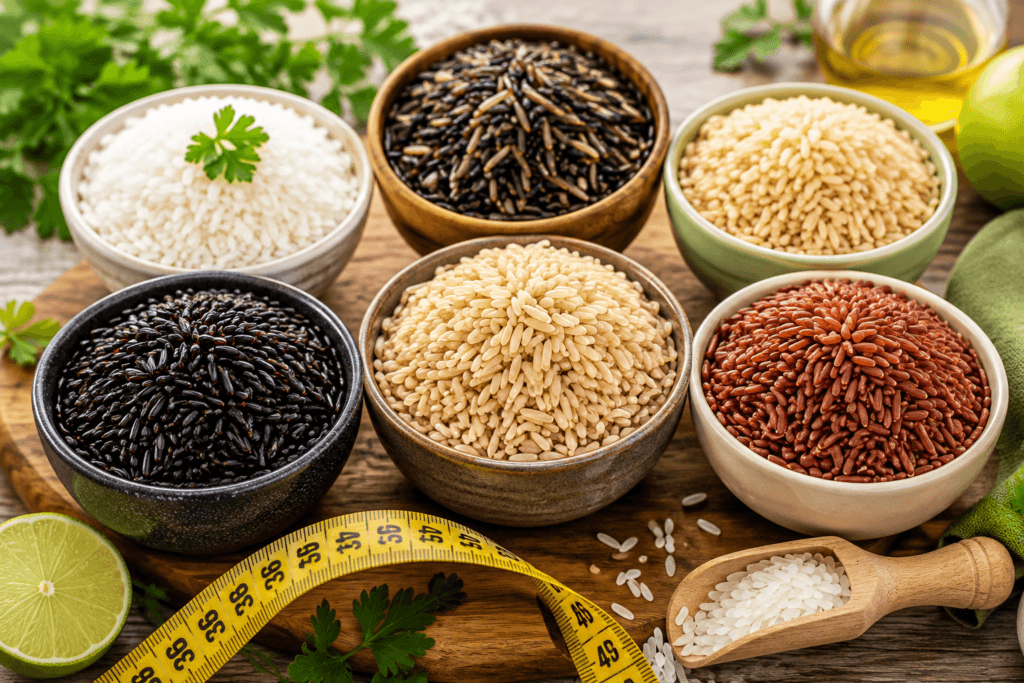 What Is the Best Rice for Weight Loss?
Brown rice, black rice, red rice, and wild rice top the list of the healthiest rice for weight loss. They carry more fiber, a lower glycemic index, and slower digestion than white rice. If you want the lowest calorie rice for weight loss, shirataki rice and cauliflower rice beat every grain-based option by a wide margin.
There isn’t one single “best” rice for everyone. Someone managing blood sugar needs a different pick than someone doing meal prep for the gym. That’s why we compare all of them below.
Is Rice Good for Weight Loss?
Rice isn’t the villain internet forums make it out to be. It’s a complex carbohydrate, and your body needs carbohydrates for energy, brain function, and workout recovery. The real issue is portion size and rice type, not rice itself.
Can You Lose Weight While Eating Rice?
Yes, you can eat rice and still lose weight. Weight loss comes down to a calorie deficit – burning more calories than you eat. Rice fits into a calorie deficit diet just like any other carb source, as long as you track your portions and pick fiber-rich varieties when possible.
Athletes and gym-goers eat rice daily and still stay lean. The best rice for gym diet plans is usually brown rice or basmati rice, since both digest slower and support steady energy during workouts.
Does Portion Size Matter?
Portion control matters more than the rice type itself. A small bowl of white rice fits a calorie deficit meal better than a huge bowl of brown rice. As a general guideline, a serving of cooked rice for an adult on a weight loss plan is around half a cup to one cup (roughly 100-150g).
If you want a simple starting point, use a calorie calculator to check how many calories your day allows, then measure your rice with a cup instead of guessing.
Curious about other filling, low-fuss proteins? Check our breakdown of Cottage Cheese Nutrition Facts for a solid pairing option.
Rice Nutrition Facts
Rice nutrition facts vary quite a bit between varieties. Here’s the breakdown that actually matters for weight loss.
Detailed Nutrition Facts (per 100g, cooked)
| Nutrient | White Rice | Brown Rice | Basmati Rice | Black Rice | Wild Rice |
|---|---|---|---|---|---|
| Calories | ~130 kcal | ~112-123 kcal | ~120 kcal | ~110-115 kcal | ~101 kcal |
| Carbohydrates | ~28g | ~23-26g | ~25g | ~22-24g | ~21g |
| Protein | ~2.7g | ~2.6g | ~2.7g | ~3.5g | ~4g |
| Fat | ~0.3g | ~0.9g | ~0.4g | ~0.9g | ~0.3g |
| Fiber | ~0.4g | ~1.8g | ~0.5-0.7g | ~1.9-3g | ~1.8g |
| Iron | ~0.2mg | ~0.5mg | ~0.4mg | ~0.9mg | ~0.6mg |
| Glycemic Index | High (~70+) | Medium (~50-55) | Medium (~50-58) | Medium | Low-Medium |
| Best For | Quick energy, light meals | Fat loss, fiber intake | Balanced diet, flavor | Antioxidants, variety | High protein, low calorie |
These figures are approximate and can vary slightly by brand, water absorption, and cooking method. They’re based on general values reported in nutrition databases such as USDA FoodData Central.
Best Rice for Weight Loss (Top Choices)
Brown Rice
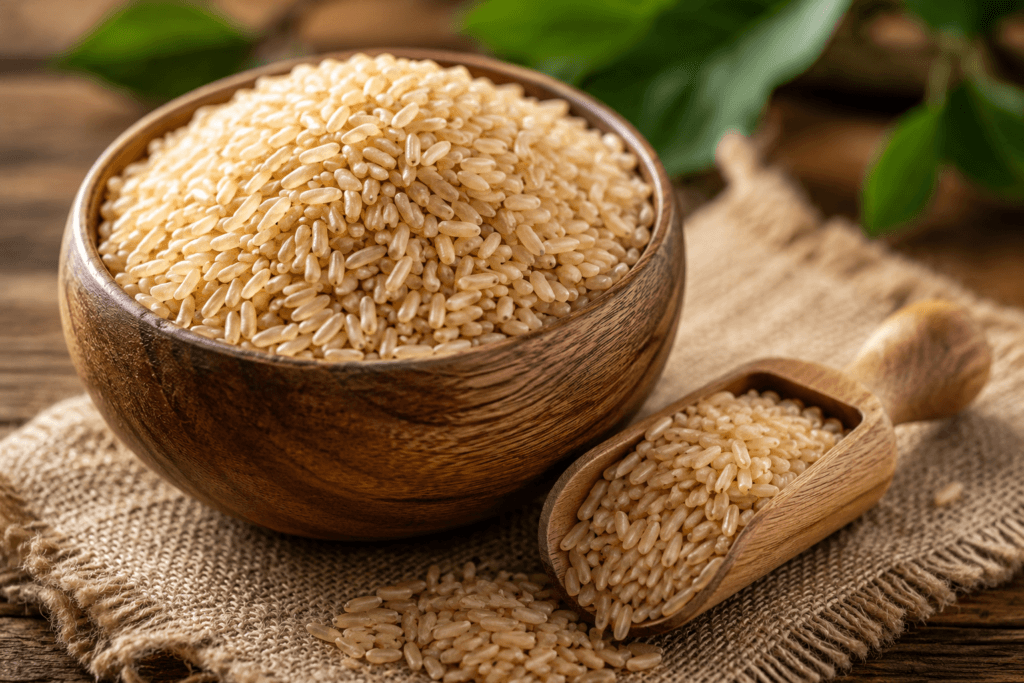
Brown rice is the most recommended rice for fat loss and general healthy eating. It keeps the bran and germ layer, which gives it more fiber and a lower glycemic index than white rice. This slower digestion helps you stay full longer and avoid quick hunger swings. It’s a dependable choice for rice for dieting, and it fits easily into most weight loss meal plans.
How to make it: Rinse 1 cup of brown rice, add 2.5 cups of water, and simmer covered for 40–45 minutes until the water absorbs and the grains are tender.
Benefits: Higher fiber keeps you full longer, supports steady blood sugar, and provides small amounts of magnesium and B vitamins from the intact bran layer.
Black Rice
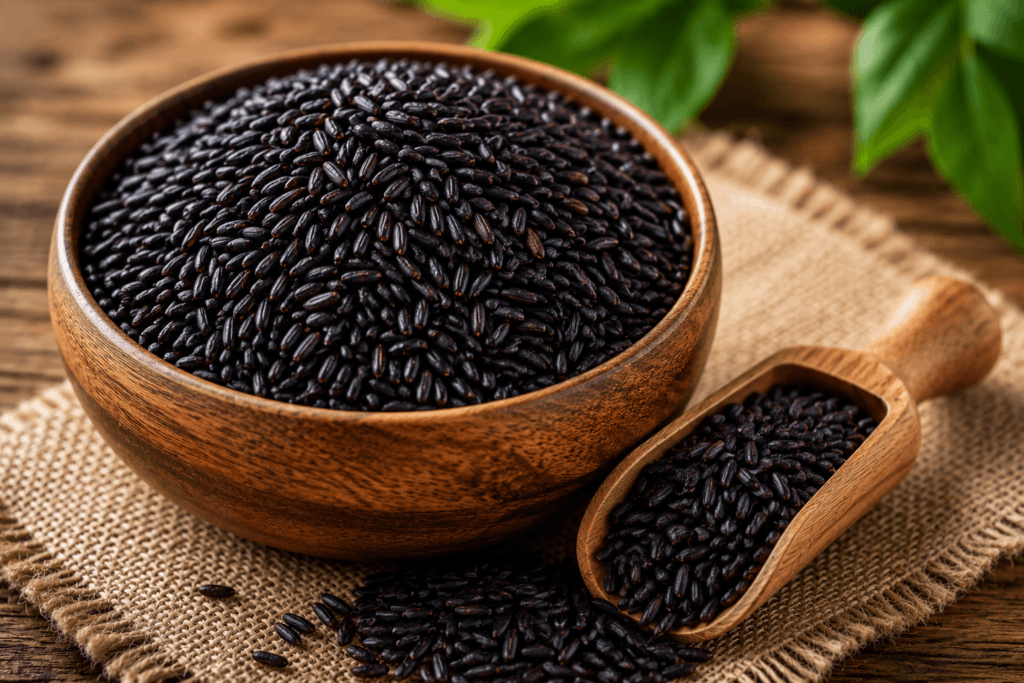
Black rice, sometimes called “forbidden rice,” carries high antioxidant content (anthocyanins) along with solid fiber and a bit more protein than white or brown rice. Its deep color comes from the same plant pigments found in blueberries and blackberries. It’s one of the healthiest rice for weight loss picks if you want variety beyond brown rice, and it works well in both savory bowls and grain salads.
How to make it: Soak 1 cup of black rice for 30 minutes, then simmer in 2 cups of water for 30–35 minutes until soft.
Benefits: Rich in antioxidants (anthocyanins) that support cell health, along with fiber and protein that help with fullness and digestion
Wild Rice
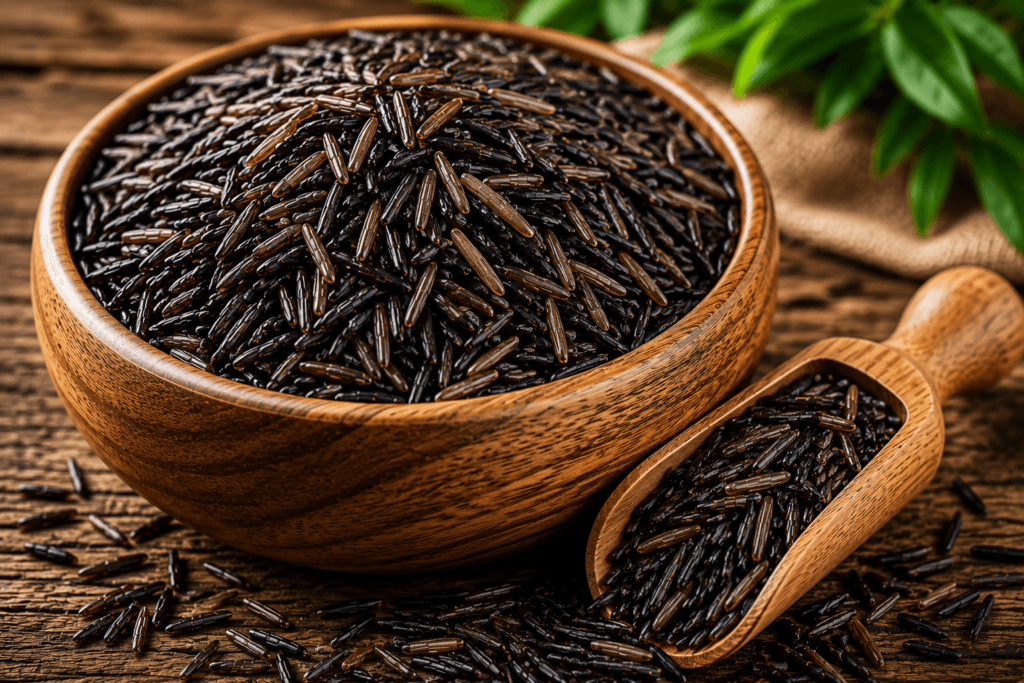
Technically a grass seed, not true rice, wild rice nutrition includes the lowest calories among grain-style rice and the highest protein of the bunch. Its chewy texture and nutty flavor also make it feel more filling per bite than softer white rice. It’s a smart choice for weight loss friendly rice, especially if you’re trying to hit a higher protein target without adding meat. It pairs particularly well with fish and roasted vegetables.
How to make it: Simmer 1 cup of wild rice in 3 cups of water for 45-50 minutes, until the grains split open and turn tender.
Benefits: Highest protein among rice-style grains, lower calories than most alternatives, and a good source of fiber for sustained fullness.
Red Rice
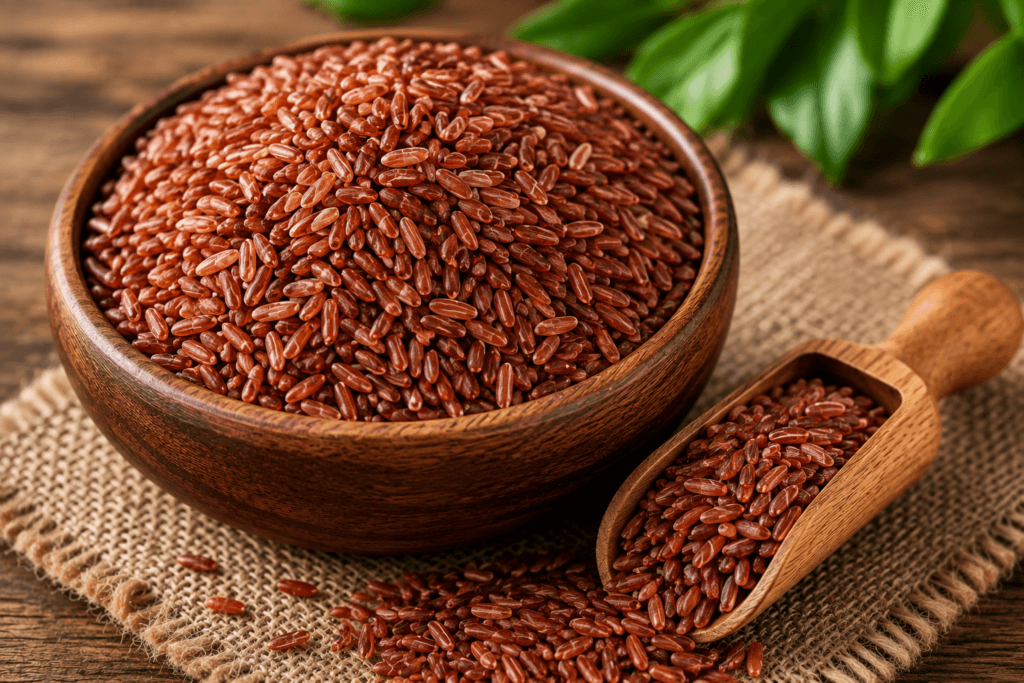
Red rice nutrition includes good fiber, iron, and a mild earthy flavor that holds up well in curries and grain bowls. It behaves similarly to brown rice in terms of calories and digestion speed, since it also keeps its bran layer intact during milling. This makes it another solid pick for anyone building a calorie deficit meal around whole grains rather than refined carbs.
How to make it: Rinse 1 cup of red rice, add 2.5 cups of water, and simmer covered for 35-40 minutes until tender.
Benefits: Good source of iron and fiber, with a slower digestion rate than white rice that helps manage hunger between meals.
Speaking of grain alternatives, if you enjoy noodles too, our Soba Noodles Nutrition Facts guide covers another low-GI carb option
Basmati Rice
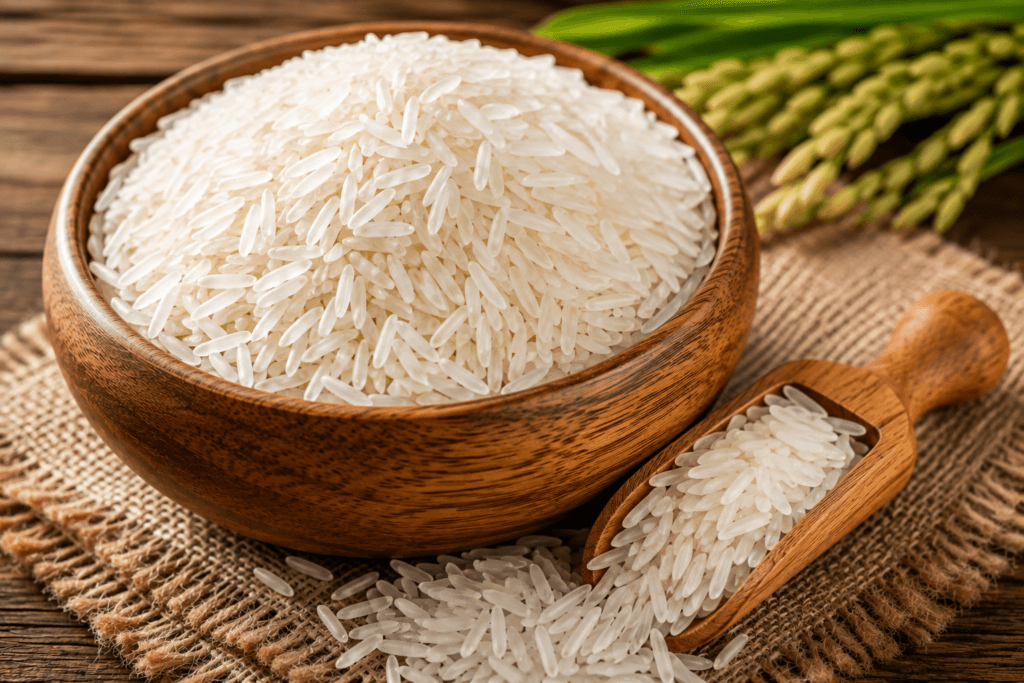
Basmati rice, especially aged basmati, has a lower glycemic index than regular white rice because its starch structure digests more slowly. It also has a lighter, fluffier texture, which makes portion control feel less restrictive. It’s a common answer to “which rice is best for weight loss” among people who don’t want to give up white rice entirely. Sticking to a measured portion still matters, even with basmati’s lower GI advantage.
How to make it: Rinse 1 cup of basmati rice until the water runs clear, then simmer in 1.5 cups of water for 15-18 minutes.
Benefits: Lower glycemic index than regular white rice, light texture that’s easy to portion, and a flavor profile that works with most cuisines.
Parboiled Rice
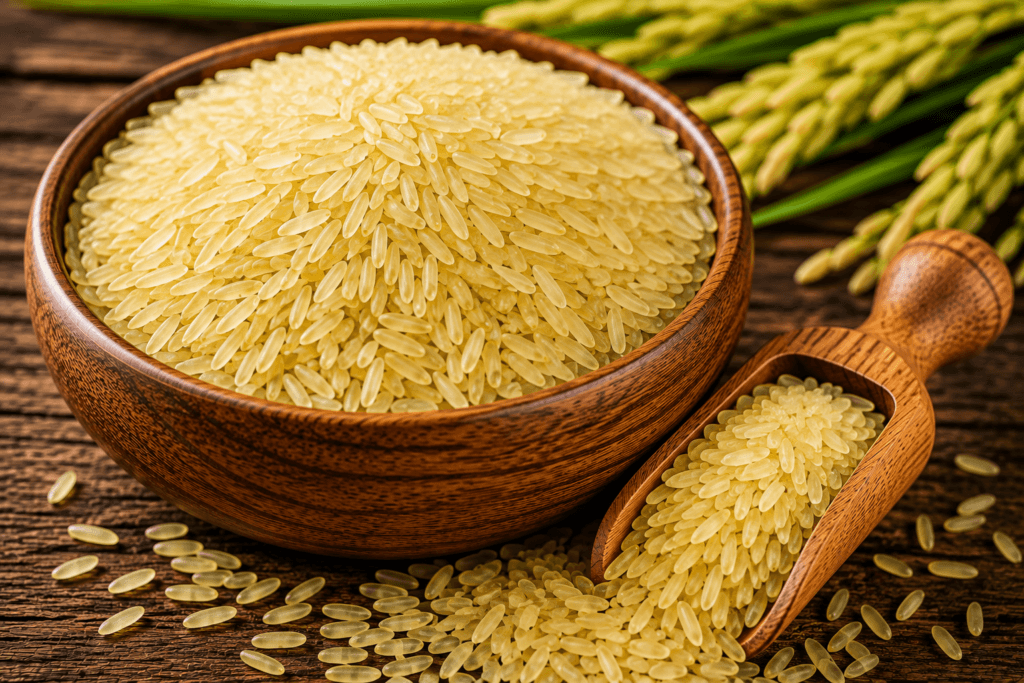
Parboiled (converted) rice goes through a steaming process before milling, which pushes some nutrients from the bran into the grain itself. This process also lowers its glycemic index compared to regular white rice, sometimes significantly. The grains also tend to stay firmer and less sticky after cooking, which some people find easier to portion accurately. It’s a practical middle ground for anyone who wants white rice’s texture with a gentler blood sugar response.
How to make it: Simmer 1 cup of parboiled rice in 2 cups of water for 20–25 minutes, until the grains are tender but separate.
Benefits: Lower glycemic index than regular white rice, retains more nutrients from the steaming process, and holds its shape well for meal prep.
Jasmine Rice
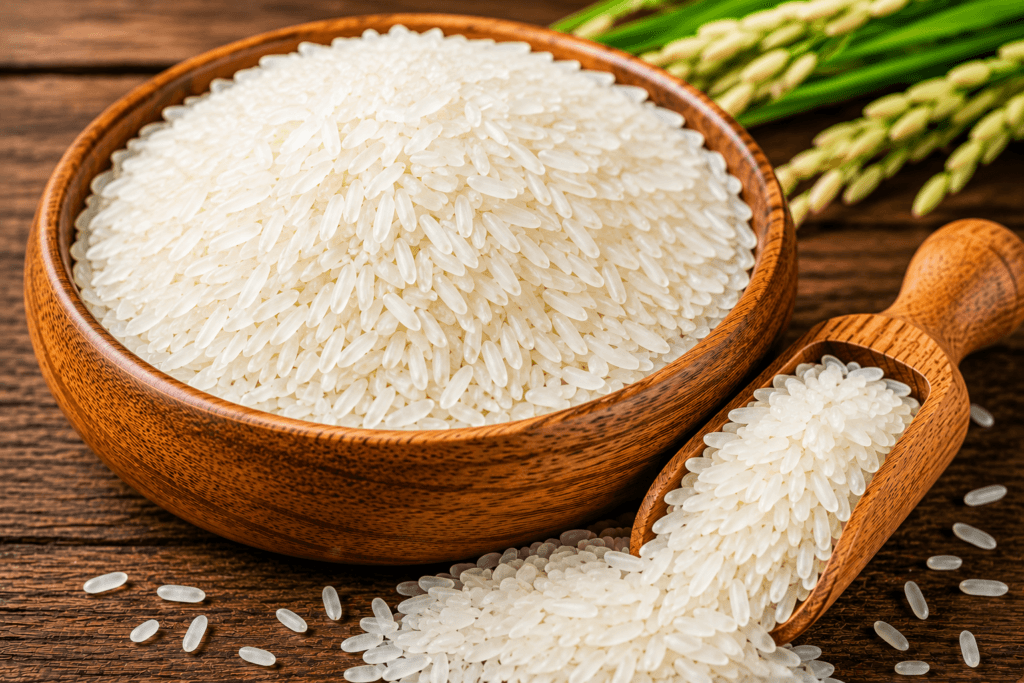
Jasmine rice is aromatic, soft, and slightly sticky, which makes it a popular choice in many Asian cuisines. However, it has a higher glycemic index than basmati or brown rice, meaning it digests faster and can leave you hungry sooner. White rice vs jasmine rice comparisons usually show similar calorie counts, with jasmine sometimes ranking slightly higher on the GI scale. If you enjoy jasmine rice regularly, pairing it with protein and fiber-rich vegetables helps balance out its faster digestion.
How to make it: Rinse 1 cup of jasmine rice, add 1.5 cups of water, and simmer covered for about 15 minutes.
Benefits: Naturally aromatic with a soft texture, cooks quickly, and works well as a light carb base when paired with lean protein and vegetables
Best Rice for Belly Fat Loss
No single food burns belly fat on its own; that idea doesn’t hold up scientifically. But the best rice to lose belly fat fits into an overall calorie deficit and keeps you full, so you don’t overeat later. Brown rice, black rice, and wild rice work well here because their fiber slows digestion and reduces cravings.
Best Rice for Diabetics Trying to Lose Weight
The best rice for diabetic weight loss is typically low GI rice like brown rice, basmati rice, or parboiled rice. These options release glucose more gradually, which helps avoid the blood sugar spikes linked to weight gain and increased hunger. The American Diabetes Association generally recommends whole grains over refined grains for blood sugar management.
If you’re building a diabetic-friendly plate, our Steamed Broccoli Nutrition guide is worth a look for a low-calorie side dish.
Brown Rice vs White Rice for Weight Loss
Is brown rice better than white rice for weight loss? On paper, yes. Brown rice has more fiber, more nutrients, and a lower glycemic index. It keeps you full longer, which naturally supports a calorie deficit.
That said, white rice isn’t forbidden. If you prefer white rice, simply reduce your portion and add fiber-rich vegetables or protein alongside it.
Basmati Rice vs Brown Rice
Basmati rice has a lower GI than most white rice but usually a bit higher than brown rice. Brown rice wins slightly on fiber; basmati wins on taste and texture for many households.
White Rice vs Jasmine Rice
Both are white, polished grains with similar calories. Jasmine tends to have a higher glycemic index due to its stickier starch structure.
Which Rice Keeps You Full the Longest?
Fiber and protein drive fullness. Wild rice and black rice generally keep people satisfied longest because they combine decent protein with high fiber. Cauliflower rice and shirataki rice also promote fullness through volume and glucomannan fiber, even though they carry very few calories.
Best Time to Eat Rice for Weight Loss
There’s no magic clock for rice. What matters is your total daily calories and activity level, not the hour you eat it. Many people prefer rice at lunch or right after a workout, since physical activity uses up the carbohydrates more efficiently. Eating rice at dinner is fine too, as long as your day’s calorie count stays within your target.
How to Cook Rice for Weight Loss
Reduce Calories With Cooking Methods
Cooling cooked rice in the fridge for a few hours before reheating increases its resistant starch content, which may slightly lower the calories your body absorbs. Boiling rice with extra water and draining it (similar to pasta) also reduces calorie density compared to the absorption method.
Healthy Ingredients to Pair With Rice
Pair rice with lean protein, leafy greens, and healthy fats instead of heavy sauces or fried toppings. This combination supports macro-friendly meals and keeps the dish balanced rather than carb-heavy.
For a protein boost alongside your rice bowl, take a look at our Best High Protein Drinks roundup.
Healthy Rice Meal Ideas
Chicken & Brown Rice Bowl
Grilled chicken breast, steamed broccoli, and brown rice make a classic weight loss meal plan staple. It’s simple, high in protein, and easy to prep in bulk.
Salmon With Wild Rice
Salmon brings healthy fats and protein, while wild rice adds fiber and a nutty texture. This combo works well for a clean eating dinner.
Veggie Rice Bowl
Mixed vegetables, black rice, and a light sesame dressing create a colorful, fiber-rich meal that fits most healthy diet plans.
Tofu & Black Rice Bowl
Tofu adds plant protein, and black rice adds antioxidants and fiber. Together, they form a solid plant-based option for fat loss nutrition.
Shrimp Rice Bowl
Shrimp is lean and low in calories, making it a great match with basmati or red rice for a light, protein-forward meal.
Looking for more paneer-based ideas for your rice bowls? Our Paneer Nutrition Facts article has the details.
Common Mistakes When Eating Rice for Weight Loss
Most rice-related weight loss struggles come down to a few repeat mistakes:
- Eating oversized portions without measuring.
- Choosing fried rice or rice loaded with oily sauces.
- Skipping protein and vegetables alongside rice.
- Assuming brown rice alone guarantees weight loss without checking total calories.
- Ignoring the rest of the day’s meals while obsessing over rice choice.
Fixing these habits usually matters more than switching from white rice to brown rice alone.
Frequently Asked Questions
Which rice is best for weight loss?
Brown rice, black rice, red rice, and wild rice generally work best due to their fiber and lower glycemic index.
Is white rice good for weight loss?
It can work in moderation, especially with proper portion control and fiber-rich sides.
Is brown rice better than white rice for weight loss?
Yes, brown rice usually offers more fiber and a lower glycemic index, though both can fit a calorie deficit.
Can you eat rice and still lose weight?
Yes. Weight loss depends on total calorie balance, not eliminating a single food.
How much rice should I eat to lose weight?
Most weight loss plans use roughly half a cup to one cup of cooked rice per serving, adjusted to your personal calorie needs.
What is the best rice for meal prep weight loss?
Brown rice and basmati rice hold up well in the fridge and reheat easily, making them convenient for meal prep.
Is basmati rice good for weight loss?
Yes, basmati rice has a lower glycemic index than regular white rice, which makes it a solid choice for a weight loss diet when portioned correctly.
How many calories are in a cup of cooked rice?
A cup of cooked white rice has roughly 200-215 calories, while a cup of cooked brown rice has around 215-230 calories, depending on the brand and cooking method.
Can I eat rice every day and still lose weight?
Yes, as long as your total daily calories stay within your target. Rotating between brown, basmati, and other low GI rice options can also help with fullness and blood sugar control.
References
- USDA FoodData Central – nutrition data for rice varieties
- Harvard T.H. Chan School of Public Health, The Nutrition Source – Carbohydrates – whole grains and carbohydrates
- American Diabetes Association – Glycemic Index – dietary guidance on glycemic index and whole grains

Hi, I’m Salem Nasir, founder of Fiturely. I research and write evidence-based articles on fitness, nutrition, weight loss, and healthy living. My mission is to make reliable health information simple, practical, and easy to understand so readers can build healthier habits with confidence
Pingback: Seaweed Salad Nutrition: Calories, Benefits & Facts You Need to Know - fiturely.com