
Key Takeaways
- Authentic 100% buckwheat soba noodles are rich in protein, fiber, antioxidants, and essential minerals compared to regular wheat noodles.
- Soba noodles are a healthy source of complex carbohydrates, providing steady energy and supporting an active lifestyle.
- Their combination of protein and fiber may help with weight management by promoting fullness and reducing hunger.
- Soba noodles can support heart health, digestion, and balanced blood sugar levels when included in a well-balanced diet.
- Always check the ingredient list, as many packaged soba noodles contain a high percentage of refined wheat flour instead of pure buckwheat.
Everyone’s tired of the same boring pasta night, and that’s exactly why soba noodles nutrition is trending right now. These thin, brownish-grey noodles from Japan aren’t just another food fad, they’re backed by real science, real minerals, and a genuinely lower glycemic footprint than most Western noodles. If you’ve been Googling are soba noodles healthy, you’re about to get every answer in one place.
This guide breaks down soba noodles nutrition facts, compares them to rice, udon, and pasta, and answers the real questions people ask before buying a bag: is it good for weight loss, is it safe for diabetics, and is it actually gluten-free? Let’s get into it.
What Are Soba Noodles?
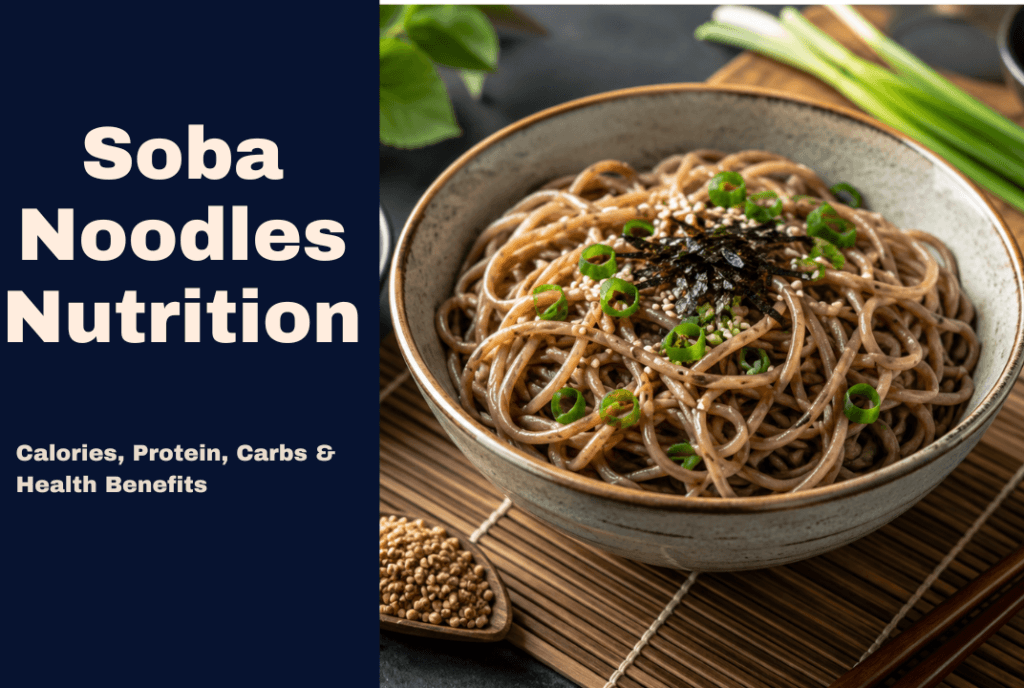
Soba noodles are thin Japanese noodles made from buckwheat flour, sometimes blended with wheat flour for texture. Authentic Japanese soba noodles nutrition comes from 100% buckwheat versions, the ones with added wheat flour dilute the nutrient density. They look like spaghetti but taste earthier, nuttier, and slightly more rustic.
Buckwheat itself isn’t a grain, it’s a pseudocereal, meaning it comes from a flowering plant, not a grass like wheat or rice. That’s a small detail, but it matters, because it’s part of why buckwheat noodles nutrition looks so different from typical pasta on a label.
For anyone building a healthy dinner rotation, soba pairs beautifully with vegetables like steamed broccoli for a fiber-and-mineral combo that keeps you full longer. It’s also common in Japanese home cooking served with light dipping sauces rather than heavy cream-based ones, which keeps the overall dish calorie count in check, something worth remembering if you’re also tracking healthy foods for weight loss on the side.
Soba Noodles Nutrition Facts (Calories, Carbs, Protein & Fat)
One cup (about 113g) of cooked soba noodles has roughly 113 calories, 24g of carbs, 6g of protein, and less than 1g of fat, according to USDA FoodData Central figures widely cited by nutrition databases. That’s a solid soba noodles nutrition facts snapshot for anyone comparing noodle options.
Here’s the quick breakdown per standard cooked serving:
- Calories: 113 kcal
- Carbs: 24g
- Protein: 6g
- Fat: under 1g
- Fiber: 1-2g (higher in 100% buckwheat varieties)
These numbers make soba a genuinely lean option compared to most refined noodles, and it’s why soba noodles calories searches keep climbing, people want proof before they swap their pasta habit.
Are Soba Noodles Healthy?
Yes, soba noodles are healthy, especially the 100% buckwheat versions, because they’re low in fat, moderate in calories, and rich in manganese, thiamin, and plant protein. They also carry rutin, an antioxidant flavonoid linked to better blood vessel health.
The catch: not all soba is created equal. Some grocery brands cut costs by mixing in refined wheat flour, which lowers the fiber and nutrient content. If soba noodles health benefits matter to you, check the ingredient list for “100% buckwheat” before checking out.
Compared to instant ramen, which is often fried and loaded with sodium and MSG, soba is the clear winner on almost every health marker. That single swap, ramen for soba, is one of the easiest upgrades in a balanced diet.
Soba Noodles Calories Per Serving
A standard one-cup cooked serving (113g) of soba noodles contains about 113 calories, making soba noodles calories per serving noticeably lower than many creamy or fried noodle dishes. Compare that to a cup of cooked white pasta at around 220 calories, and soba starts looking like the smarter plate-filler.
Calories can shift a bit depending on brand and flour blend, so always check the nutrition label for the specific product. Cooked soba noodles nutrition values assume plain noodles, added oils, sauces, and proteins will change the final count.
If you’re portioning meals for the week, soba works well in meal prep because it reheats without turning mushy, unlike some rice-based noodles.
Carbs in Soba Noodles:
Soba noodles are not a low-carb food, one cup has about 24g of carbs, similar to many whole-grain pastas. But the carbs in soba are largely complex carbohydrates, which digest more slowly and don’t spike blood sugar the way refined white flour does.
Soba noodles carbs vs pasta comparisons show they’re roughly comparable in total carb count, but soba usually wins on fiber and mineral density per gram. So it’s not about eating fewer carbs, it’s about eating better-quality carbs.
For people specifically chasing a ketogenic or very-low-carb diet, soba won’t fit the bill. But for anyone managing weight through complex carbohydrates foods rather than carb elimination, soba is a reasonable, satisfying choice.
Protein in Soba Noodles
Soba noodles deliver about 6g of protein per cooked cup, which is notably higher than white rice or rice noodles at the same serving size. That makes soba one of the better high protein noodles options in the plant-based noodle category.
This is plant-based protein, meaning it lacks a couple of essential amino acids that animal protein provides, so soba shouldn’t be your only protein source in a meal. Pairing it with tofu, edamame, egg, or even paneer rounds out the amino acid profile nicely for a complete high-protein soba noodle meal.
For post-workout recovery, some people add high-protein drinks alongside a soba noodle bowl to hit their daily protein targets faster, especially on training days.
Fiber, Vitamins & Minerals in Soba Noodles
Soba noodles carry a genuinely impressive mineral profile: manganese (about 21% of daily value per cup), magnesium, phosphorus, zinc, and iron, plus a solid dose of B vitamins, especially thiamin. This is where soba noodles nutrition facts per 100g really shines compared to plain refined noodles.
Dietary fiber content, while modest at 1-2g per serving, still beats most white pasta and rice noodle options. Fiber slows digestion, supports gut bacteria, and helps you feel fuller for longer, a small but meaningful win for digestive health.
The antioxidants in buckwheat, particularly rutin, are also linked in several nutrition reviews to supporting healthy blood circulation and reducing oxidative stress in the body.
Here’s a quick breakdown of the key vitamins and minerals in one cooked cup (113g) of soba noodles:
| Nutrient | Amount per Cup | % Daily Value (approx.) | Main Benefit |
|---|---|---|---|
| Manganese | 0.4 mg | 21% | Bone health, glucose metabolism |
| Thiamin (B1) | 0.1 mg | 8% | Energy metabolism, nerve function |
| Magnesium | 21 mg | 5% | Muscle and nerve function |
| Phosphorus | 40 mg | 4% | Bone strength, cell repair |
| Iron | 0.6 mg | 3% | Oxygen transport in blood |
| Zinc | 0.5 mg | 3% | Immune support |
Values are approximate, sourced from USDA FoodData Central; percentages are based on general adult daily value guidelines and may vary by individual needs.
Are Soba Noodles Good for Weight Loss?
Soba noodles can support weight loss because they’re lower in calories than regular pasta, high in filling fiber, and carry enough protein to curb hunger between meals. Are soba noodles good for weight loss? The short answer is yes, when portioned sensibly and paired with vegetables or lean protein.
The soluble fiber in buckwheat has been linked in a 2009 study (published via the American Journal of Clinical Nutrition) to reduced visceral fat accumulation over time. That’s a genuine, evidence-backed reason soba shows up so often in best noodles for weight loss lists.
That said, no single food causes weight loss on its own. Total calorie balance still matters most. Some people combine soba-based meals with protein drinks for weight loss to stay full between meals without overeating at dinner.
Are Soba Noodles Good for Diabetics?
Soba noodles are generally a safer carb choice for diabetics than white pasta or white rice, because their complex carbs and fiber content lead to a slower rise in blood sugar after eating. Still, portion control matters, can diabetics eat soba noodles is a “yes, in moderation” answer, not an unlimited green light.
A 2001 study comparing buckwheat products to white wheat bread found a notably lower post-meal glycemic response with buckwheat. That’s meaningful real-world evidence for anyone managing soba noodles for diabetics meal planning.
As always, anyone with diabetes should check portion sizes with a doctor or dietitian rather than relying purely on food swaps, since individual blood sugar responses vary.
Soba Noodles Glycemic Index Explained
The soba noodles glycemic index typically falls in the medium range, roughly 46–58 depending on the brand and cooking method, according to glycemic index research databases like the University of Sydney’s GI database. That’s lower than white rice (around 70+) and most white bread products.
A lower GI means the carbs break down more gradually, avoiding the sharp blood sugar spike-and-crash cycle. This is one reason soba noodles keep appearing in heart healthy noodles recommendations from dietitians.
Cooking method matters too. Al dente soba (slightly firm) tends to have a lower glycemic impact than noodles boiled until very soft.
Do Soba Noodles Contain Gluten?
This depends entirely on the brand: 100% buckwheat soba is naturally gluten free soba noodles, but many commercial brands blend in wheat flour for better texture, which reintroduces gluten. Are soba noodles gluten free? Only check the label, don’t assume.
Buckwheat itself, despite the confusing name, has zero relation to wheat and contains no gluten on its own. If you have celiac disease or gluten sensitivity, look specifically for “100% buckwheat” or “gluten-free certified” on the packaging.
Cross-contamination during manufacturing is also possible, so strict celiac sufferers should look for dedicated gluten-free facility labeling, not just ingredient lists.
Soba Noodles vs Udon Noodles: Which Is Healthier?
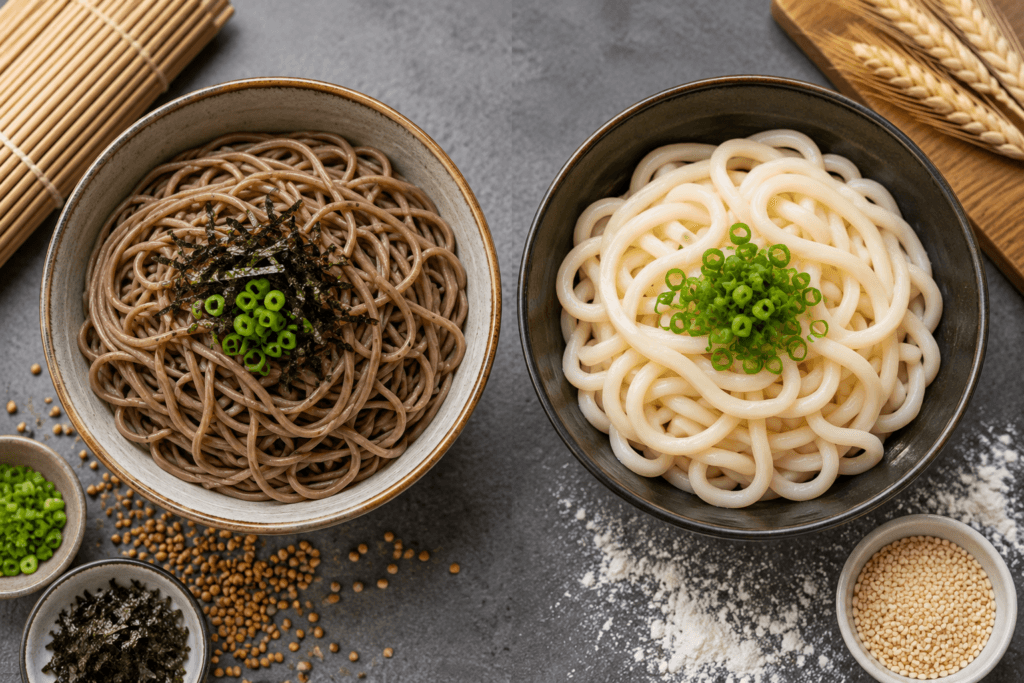
Soba noodles generally edge out udon on nutrition, offering more protein, more fiber, and more minerals per serving, since udon is made from refined wheat flour. Soba noodles vs udon comes down to this: udon is softer and more neutral in flavor, but soba brings more nutritional substance to the bowl.
Udon typically has a higher glycemic index too, since it lacks buckwheat’s slower-digesting complex carbs. If you’re optimizing for nutrition density rather than texture preference, soba is the stronger pick.
That said, udon isn’t “unhealthy”, it’s simply a lighter, more refined whole grain noodles alternative that some people prefer for its milder taste in broths.
 Soba Noodles vs Rice Noodles
 Soba Noodles vs Rice Noodles
Soba noodles contain noticeably more protein and fiber than rice noodles, which are made from rice flour and water with almost no fiber or micronutrients beyond starch. Soba noodles protein vs rice favors soba by a wide margin, about 6g versus roughly 1–2g in most rice noodle servings.
Rice noodles do offer a naturally gluten-free base without needing a “100% buckwheat” check, which makes them a simpler option for some gluten-sensitive eaters. But nutritionally, soba wins on almost every count except pure simplicity of ingredients.
Calorie-wise, they’re fairly close, so the real differentiator here is nutrient dense foods value, soba delivers more nutrition per calorie.
Soba Noodles vs Whole Wheat Pasta
Soba noodles and whole wheat pasta are nutritionally closer than most people expect, both offering solid fiber and moderate protein, though soba has a slight edge in mineral variety like manganese and magnesium. This comparison table makes it easier to see where each noodle stands:
| Nutrient (per 1 cup cooked, ~113g) | Soba Noodles | Udon Noodles | Rice Noodles | Whole Wheat Pasta | Ramen (fried, packet) |
|---|---|---|---|---|---|
| Calories | ~113 | ~190 | ~190 | ~174 | ~380 (with seasoning) |
| Carbs | ~24g | ~40g | ~42g | ~37g | ~51g |
| Protein | ~6g | ~5g | ~1.6g | ~7.5g | ~8g |
| Fat | <1g | ~0.2g | ~0.4g | ~0.8g | ~14g |
| Fiber | ~1–2g | ~1g | ~1g | ~6g | ~2g |
| Gluten | Depends on brand | Yes | No | Yes | Yes |
| Glycemic Index | Medium (46–58) | High (~62) | High (~65+) | Medium (~48) | High |
Figures are approximate averages compiled from USDA FoodData Central and standard glycemic index databases; actual values vary by brand.
Whole wheat pasta actually beats soba on raw fiber content, so if fiber is your single top priority, don’t count pasta out entirely. But soba still wins on lower calories and a gentler glycemic response.
Best Ways to Eat Soba Noodles for Better Nutrition
The best way to eat soba noodles is cold with a light dipping sauce or warm in a light broth, avoiding heavy cream sauces that cancel out its low-fat advantage. Pairing it with vegetables and lean protein turns it into a complete, balanced meal.
High-Protein Soba Noodle Meals
Add tofu, edamame, a soft-boiled egg, or paneer to your soba bowl to boost protein without piling on saturated fat. This turns a simple noodle side dish into a satisfying main course.
Post-Workout Nutrition
Soba’s moderate carbs and B vitamins make it a decent post-workout carb source, especially when paired with protein shakes or high-protein drinks to speed up muscle recovery.
Healthy Side Dishes
Round out your soba bowl with roasted parsnips or a side of pickled beetroot for extra fiber, color, and gut-friendly variety on the plate.
Protein Pairings
Thin slices of lean ham or grilled chicken work well as a lighter, leaner protein pairing if you’re not going the plant-based route.
Healthy Snack Ideas
If soba is your main meal, keep snacks light, think protein-rich snacks like roasted chickpeas or Greek yogurt rather than heavy fried options.
How to Cook Soba Noodles Without Losing Nutrients
Boil soba noodles in unsalted water for about five minutes until al dente, then rinse immediately under cold water to stop the cooking and remove excess surface starch. Overcooking softens the noodle and slightly raises its glycemic impact.
Avoid adding oil to the boiling water, it doesn’t prevent sticking the way people assume, and it adds unnecessary fat before you’ve even added a sauce. Rinsing well after cooking is the real trick to keeping noodles from clumping.
Store leftover cooked soba in the fridge for up to three days, and always reheat gently in broth or a quick stir-fry rather than the microwave alone, which can make the texture gummy.
Potential Health Benefits of Soba Noodles
Soba noodles offer a genuine mix of benefits: better blood sugar control, decent plant protein, useful minerals like manganese and magnesium, and antioxidant support from rutin. These aren’t marketing claims, they’re grounded in the actual nutrient profile of buckwheat.
Regular buckwheat consumption has also been associated in several nutrition reviews with modest improvements in cholesterol and blood pressure markers, supporting heart health over time. This lines up with why soba shows up so often in healthy Japanese food discussions.
The digestive health angle matters too, the fiber and prebiotic-like compounds in buckwheat may support healthy gut bacteria, based on early animal studies from the early 2000s.
Possible Downsides of Soba Noodles
Soba noodles aren’t perfect: blended-flour versions may contain gluten, some store-bought brands are high in sodium once sauces are added, and buckwheat allergies, while rare, do exist and can be serious. Soba noodles benefits and side effects should both be on your radar before making it a daily staple.
People with a genuine buckwheat allergy should avoid soba entirely, as reactions can range from mild digestive upset to more serious allergic responses. This is separate from gluten sensitivity and worth checking with a doctor if you’re unsure.
Sodium content can also spike fast if soba is served in salty broths or with soy-heavy dipping sauces, so those managing blood pressure should watch the sauce, not just the noodle.
Who Should Eat Soba Noodles?
Soba noodles suit most people, especially those managing blood sugar, watching calories, or simply looking for a whole grain noodles alternative to white pasta. Athletes, casual dieters, and anyone building a more balanced diet can reasonably include soba a few times a week.
People with celiac disease should stick to certified 100% buckwheat, gluten-free-labeled products only. Those with a diagnosed buckwheat allergy should avoid it altogether, regardless of how healthy it looks on paper.
For everyone else, soba is a low-risk, high-reward swap worth trying in place of at least one regular pasta night per week.
Frequently Asked Questions:
Is soba noodles healthy?
Yes, especially 100% buckwheat versions, they’re low in fat, moderate in calories, and rich in manganese, fiber, and plant protein.
Are soba noodles good for weight loss?
Yes, when portioned properly. Their fiber and protein content help with fullness, and their calorie count is lower than most standard pasta.
Soba noodles nutrition facts per 100g?
Roughly 99 kcal, 21g carbs, 5g protein, under 1g fat, and 1–2g fiber per 100g cooked, based on standard USDA-style conversions.
Soba noodles calories vs pasta?
Soba noodles have fewer calories per cup (~113) than regular white pasta (~220), making soba the lighter option.
Soba noodles protein vs rice?
Soba has significantly more protein (~6g) than white rice or rice noodles (~2-4g per serving).
Soba noodles carbs vs pasta?
Carb counts are fairly similar, but soba’s carbs digest more slowly due to higher fiber and buckwheat’s complex carb structure.
Are soba noodles gluten free?
Only if made from 100% buckwheat. Many blended brands contain wheat flour and are not gluten-free.
Can diabetics eat soba noodles?
Generally yes, in moderate portions, due to their medium glycemic index, but individual blood sugar responses should be checked with a doctor.
Soba noodles benefits and side effects?
Benefits include better blood sugar control and useful minerals; downsides include possible gluten content and rare buckwheat allergies.
Final Thoughts
Soba noodles earn their spot in a healthy eating routine, they’re lower in calories than pasta, richer in minerals than rice noodles, and gentler on blood sugar than most refined carbs. The 100% buckwheat versions are where the real soba noodles health benefits live, so always check that label before buying.
Swap out one pasta or ramen night a week for soba, pair it with vegetables and lean protein, and you’ve got a simple, sustainable upgrade, no extreme diet required.
References:
Nutritional figures referenced from USDA FoodData Central and glycemic index data compiled via the University of Sydney’s GI research database. Additional health findings cited from peer-reviewed studies published between 2001-2013 on buckwheat and blood glucose response.

Hi, I’m Salem Nasir, founder of Fiturely. I research and write evidence-based articles on fitness, nutrition, weight loss, and healthy living. My mission is to make reliable health information simple, practical, and easy to understand so readers can build healthier habits with confidence