
Key Takeaways:
- Pho is a nutrient-rich meal that provides protein, carbohydrates, and essential vitamins when made with lean meat, fresh herbs, and bone broth.
- Calories vary by serving and ingredients, with chicken pho generally lower in calories than beef pho.
- Bone broth adds flavor and nutrients, while herbs like basil, cilantro, and lime boost freshness without adding many calories.
- Watch the sodium content, especially in restaurant pho, as it can be much higher than homemade versions.
- Pho can support weight management when you choose lean protein, moderate noodle portions, and plenty of vegetables.
A standard bowl of pho noodle soup has about 350-480 calories, 20-30g protein, 45-55g carbs, and 8-14g fat, with sodium as the main concern at 1,500-2,500mg. Pho is generally healthy, especially chicken or vegetable versions with fresh herbs. It’s best for people wanting a lean protein meal, a low fat soup, or a lighter alternative to ramen, as long as sodium is kept in check.
If you’ve ever stood over a steaming bowl of pho wondering whether it’s a health food or a hidden calorie bomb, you’re not alone. This guide breaks down pho nutrition facts in plain English, with no confusing jargon, just real numbers and honest answers.
 Is Pho Healthy?
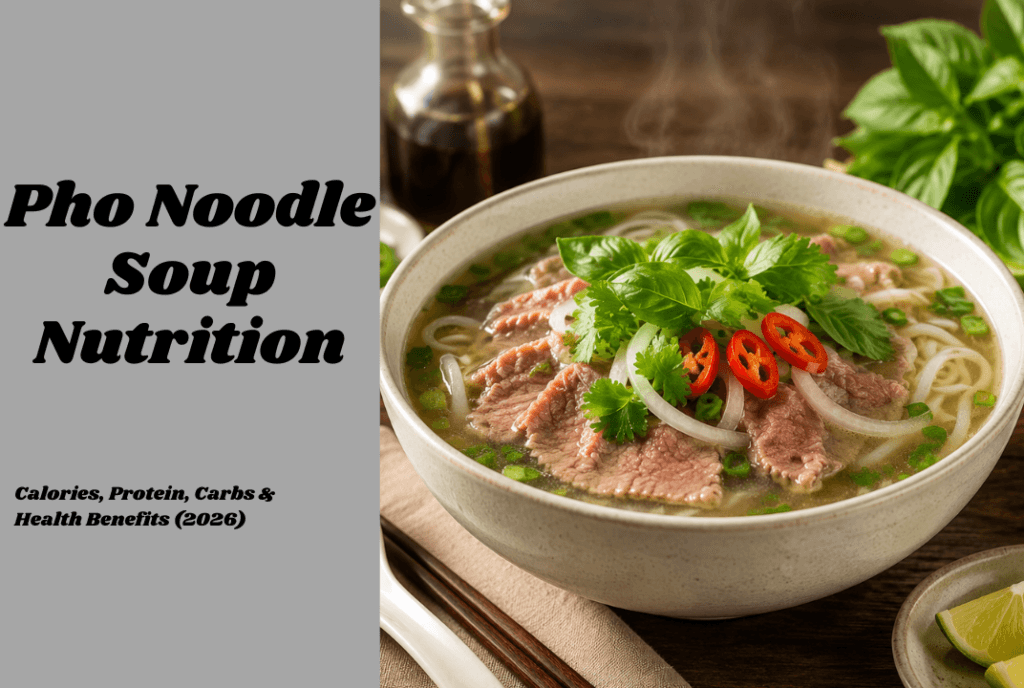 Is Pho Healthy?
Yes, pho is generally healthy when made with lean protein, fresh herbs, and moderate broth portions. It’s lower in fat than most creamy soups, naturally gluten-free (if you skip the wheat-based sauces), and packed with vegetables. The main concern is sodium, not calories or fat.
So when people ask “is pho healthy,” the short answer is: it depends on the protein you choose and how much broth and sauce you add. A lean chicken or vegetable bowl is one of the more balanced fast meals you can order. A fatty brisket bowl loaded with hoisin sauce is a different story. This is the classic pho healthy or unhealthy debate, and honestly, it comes down to customization more than the dish itself.
Compared to fried appetizers or heavy pasta dishes, pho holds up well. The broth is simmered, not fried, and the base ingredients (rice noodles, herbs, lean meat) are naturally whole foods. That’s a big reason nutritionists often list pho as one of the better options on an Asian restaurant menu.
If you’re building a broader eating plan, pairing pho with other whole-food staples matters too. For rice-based sides, check out Best Rice for Weight Loss to see which varieties fit a calorie-conscious diet the way pho’s rice noodles do.
How Many Calories Are in Pho Noodle Soup?
A standard bowl of pho noodle soup calories ranges between 350-500 calories, depending on protein and noodle portion. Beef pho tends to run slightly higher than chicken pho. Vegetable pho is usually the lightest option. Restaurant portions can push calories higher than homemade versions.
According to USDA FoodData Central estimates and commonly cited restaurant nutrition data, a medium bowl (about 16 oz) with rice noodles, broth, and 3-4 oz of meat lands around 400 calories on average. That number moves depending on how much fat sits in the broth and how generous the noodle portion is.
So, how many calories are in pho noodle soup exactly? It’s less about the dish and more about the bowl size. Restaurants often serve large portions, sometimes 20-24 oz, which can bump totals to 500-600 calories before you add sauce. Asking for a smaller bowl or extra vegetables instead of extra noodles is a simple fix.
Pho Nutritional Value:
The pho nutritional value comes from three main components: broth, rice noodles, and protein. Broth delivers minerals and collagen. Noodles supply carbohydrates and energy. Protein rounds out amino acids and satiety. Herbs and vegetables add fiber, vitamins, and antioxidants.
Here’s a simplified breakdown for a standard 400-calorie bowl of beef pho:
| Nutrient | Approximate Amount | % Notes |
|---|---|---|
| Calories | 350-450 kcal | Varies by portion size |
| Protein | 25-30 g | From beef or chicken |
| Carbohydrates | 45-55 g | Mostly from rice noodle |
| Fat | 8-12 g | Lower than fried dishes |
| Sodium | 1,500-2,500 mg | Main nutritional concern |
| Fiber | 2-4 g | From herbs and sprouts |
These figures are general estimates based on USDA data and commonly referenced restaurant nutrition guides. Actual values vary by recipe, so treat them as a helpful range, not an exact label.
Beef Pho Nutrition vs Chicken Pho Nutrition vs Vegetable Pho Nutrition
Beef pho nutrition runs higher in calories and fat than chicken or vegetable versions, mainly due to fattier cuts and bone marrow in the broth. Chicken pho nutrition offers a leaner protein profile with slightly fewer calories. Vegetable pho nutrition is the lowest in calories and fat but also lowest in protein unless tofu is added.
For nutrition facts for beef pho, expect roughly 400-480 calories, 25-30g protein, and 10-14g fat per bowl, largely from brisket, flank, or fatty cuts often used in tai and nam varieties. The bone marrow broth adds richness but also raises the fat content compared to chicken versions.
Looking at chicken pho nutrition facts, a typical bowl runs closer to 350-420 calories with slightly less fat, often 6-9g, since chicken breast is naturally leaner than beef brisket. This makes chicken pho a solid pick if you’re watching saturated fat intake.
Vegetable pho nutrition usually sits around 300-380 calories, with fat as low as 4-6g if no oil-heavy toppings are added. Protein is the trade-off here, often only 6-10g unless tofu, edamame, or an egg is added to round out the meal.
If you’re comparing protein sources across meals, it also helps to look at drinkable options. See High Protein Drinks for Weight Loss for ways to top up protein on lighter pho days.
Pho Protein Content and Carbs:
Pho protein content typically ranges from 20-30 grams per bowl, mostly from the meat added. Pho carbs come primarily from rice noodles, sitting around 45-55 grams per serving. This makes pho a carb-forward meal with moderate protein, not a high-protein dish by default.
For pho soup protein and calories, the ratio depends heavily on portion. A bowl with extra beef or chicken can push protein above 30g while keeping calories reasonable, since lean meat adds fewer calories per gram than fat does. Asking for extra meat instead of extra noodles is an easy way to shift this ratio in your favor.
When it comes to pho soup carbs and fiber, rice noodles are refined carbs with minimal fiber on their own, usually under 2 grams per bowl from the noodles alone. Fiber content improves once you load up on bean sprouts, basil, and lime, which is exactly why the garnish plate matters as much as the broth.
Curious how noodles stack up against grains? Compare with Basmati Rice Nutrition to see how rice-based carbs vary across different Asian dishes.
Pho Fat Content and Pho Sodium Content
Pho fat content is moderate, usually 8-14 grams per bowl, mostly from the broth and meat fat. Pho sodium content is the real nutritional concern, often reaching 1,500-2,500 mg per bowl, sometimes more with added sauces. That’s up to 100% of the recommended daily sodium limit in a single meal.
The CDC recommends keeping sodium under 2,300 mg per day for most adults. A single bowl of pho with soy sauce, fish sauce, and hoisin added can approach or exceed that limit on its own. This is the biggest reason pho gets flagged as less “diet-friendly” than its calorie count suggests.
For pho soup sodium levels, restaurant versions are almost always saltier than homemade ones, since commercial broths often use bouillon or pre-made stock concentrates. Asking for broth on the side, or going light on fish sauce and hoisin, can cut sodium significantly without changing the flavor much.
Is Pho Good for Weight Loss?
Is pho good for weight loss? Yes, in moderate portions with lean protein and light noodles, pho can fit well into a weight-loss plan. It’s relatively low in fat, filling due to the broth and protein, and naturally portion-controlled compared to fried or creamy dishes.
Pho for weight loss works best when you choose chicken or seafood pho, ask for extra vegetables instead of extra noodles, and go easy on sugary hoisin sauce. The warm broth also promotes fullness, which can reduce overeating later, a small but real advantage over dry, low-volume meals.
That said, large restaurant portions and high sodium can work against weight-loss goals if eaten too frequently, since excess sodium contributes to water retention, not fat gain, but can still affect how you feel and look day to day. Balance is the key word here, not restriction.
Thinking about your daily macro targets? A tool like Macro Goals for Weight Loss can help you see exactly where a bowl of pho fits into your day.
 Is Pho Keto Friendly? Is Pho Gluten Free?
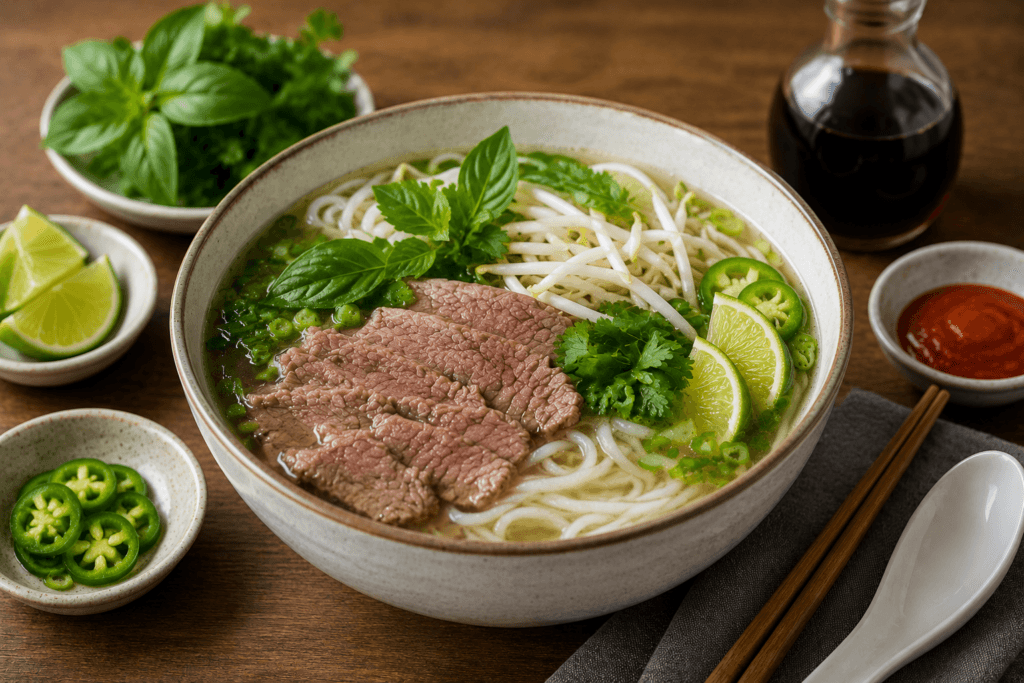 Is Pho Keto Friendly? Is Pho Gluten Free?
Is pho keto friendly? Not really traditional pho is high in carbs from rice noodles, making it a poor fit for strict keto diets. Is pho gluten free? Generally yes, since rice noodles and traditional broth don’t contain wheat, though sauces like hoisin often do contain gluten.
For keto dieters, a bowl of pho can easily contain 45-55g of net carbs from noodles alone, which blows past most daily keto carb limits in one sitting. Some restaurants now offer shirataki or zucchini noodle substitutes, which can make a keto-friendly version possible if you ask.
On the gluten-free side, the broth, rice noodles, meat, and fresh herbs are naturally gluten-free. The risk comes from added sauces. Hoisin sauce typically contains wheat, so those with celiac disease or gluten sensitivity should request it on the side or skip it entirely.
📊 Research-Based Note The figures in this guide are cross-referenced with USDA FoodData Central, CDC sodium intake guidelines, and Harvard’s Nutrition Source. Ranges reflect real variation between homemade and restaurant recipes rather than a single fixed number, so treat them as reliable estimates, not exact lab values.
Homemade Pho Nutrition vs Restaurant Pho Nutrition
Homemade pho nutrition is generally easier to control, with lower sodium and customizable protein and fat levels. Restaurant pho nutrition tends to run higher in sodium, fat, and portion size, since commercial kitchens often prioritize flavor and speed over nutrition precision.
When you make pho at home, you control the broth base, salt levels, and cut of meat. That means you can easily bring sodium down from 2,000+ mg to under 1,000 mg per bowl just by using low-sodium stock and less fish sauce. That’s a meaningful difference for anyone managing blood pressure.
Restaurant versions, on the other hand, often use pre-made broth concentrates and larger meat portions, which boosts both flavor and calorie count. Neither is “bad,” but if you’re eating pho regularly, homemade gives you more nutritional control without sacrificing much taste.
Pho vs Ramen vs Chicken Noodle Soup Nutrition
For pho vs ramen nutrition, ramen typically has more sodium and fat due to its richer broth and fried noodles in some styles, while pho’s clear broth and rice noodles keep it comparatively lighter. For pho vs chicken noodle soup nutrition, chicken noodle soup is usually lower in calories but also lower in protein and flavor complexity.
| Soup Type | Calories (avg bowl) | Protein | Sodium | Carb Source |
|---|---|---|---|---|
| Pho noodle soup | 350-480 kcal | 20-30 g | 1,500-2,500 mg | Rice noodles |
| Ramen | 450-700 kcal | 15-20 g | 1,800-3,000 mg | Wheat noodles |
| Chicken noodle soup | 150-250 kcal | 10-15 g | 800-1,200 mg | Egg noodles |
This table shows why pho sits in a middle ground: more filling and protein-rich than classic chicken noodle soup, but generally lighter than a loaded bowl of ramen with fried toppings and a fattier broth base.
What Makes Pho Broth Nutrition Special?
Pho broth nutrition comes largely from long-simmered bones, which release minerals, collagen, and gelatin into the liquid. This is why pho broth is often grouped with bone broth soup trends popular in wellness circles. It’s not a magic cure, but it does offer real nutritional value beyond flavor.
Beef bone broth nutrition includes collagen-derived amino acids like glycine and proline, along with small amounts of calcium, magnesium, and phosphorus extracted from the bones during the 6–12 hour simmer. Research on collagen’s specific health benefits is still developing, but the amino acid profile is well documented.
Chicken broth nutrition is generally lighter, with less fat and a milder mineral content than beef-based versions, making it a gentler option for those wanting a lower-fat pho experience without giving up the broth’s savory depth.
Fresh Herbs, Sprouts, and Citrus: The Nutritional Bonus Round
Fresh herbs in pho, like Thai basil, cilantro, and mint, add antioxidants, vitamin K, and flavor without extra calories. Bean sprouts nutrition includes fiber, vitamin C, and folate. Basil nutrition offers antioxidant compounds, and lime nutrition brings vitamin C plus a flavor boost that often reduces the need for extra salt.
These garnishes aren’t just decoration. They’re where a lot of pho’s micronutrient value actually comes from. A handful of bean sprouts and basil can add meaningful fiber and vitamin C to an otherwise carb-and-broth-heavy bowl, which is part of why pho functions as an immune supporting soup in traditional Vietnamese food culture.
Lime juice, in particular, adds vitamin C without sodium or sugar, and it’s one of the easiest ways to brighten the dish while cutting back on how much salty sauce you might otherwise add.
Best Low Calorie Pho Options
For the best low calorie pho options, choose chicken or seafood pho, ask for a smaller noodle portion, load up on vegetables and herbs, and go light on hoisin and sriracha. These small swaps can shave 100–150 calories off a bowl without losing satisfaction.
Vegetable pho with tofu is another strong low-calorie pick, offering lean protein meals territory without the added fat from fattier beef cuts. Asking the kitchen for broth on the side also lets you control exactly how much liquid, and sodium, ends up in your bowl.
If you’re building a broader balanced nutrition meal plan around dishes like this, it also helps to look at complementary proteins. Check out Cottage Cheese Nutrition Facts or Paneer Nutrition Facts for other protein rich soup and meal pairings that fit a similar low-fat, high-protein pattern.
Rice Noodles Nutrition The Backbone of the Bowl
Rice noodles nutrition is straightforward: mostly carbohydrates, naturally gluten-free, and low in fat and protein on their own. A typical serving (about 1 cup cooked) contains roughly 190–220 calories and 40–45g of carbs, with less than 2g of protein and fat combined.
Because rice noodles are refined starch, they digest quickly and don’t offer much fiber. This is why pairing them with protein and fiber-rich herbs matters — it slows digestion and keeps blood sugar more stable than eating the noodles alone would.
If you’re comparing noodle-based carbs to bread-based ones, Sourdough Bread Nutrition Facts is a useful comparison point for anyone weighing rice noodles against fermented grain options in a broader balanced nutrition meal plan.
Frequently Asked Questions
Is pho a healthy comfort food?
Yes, as a healthy comfort food, pho beats most fried or creamy alternatives thanks to its broth base and fresh toppings, as long as sodium stays in check.
Does pho count as Vietnamese noodle soup for weight management?
As a classic Vietnamese noodle soup, pho works well for weight management when portions and sauces are controlled, and it’s often recommended alongside other healthy Vietnamese food for balanced eating patterns.
Is traditional pho soup high in sugar?
No, traditional pho soup itself has minimal added sugar most sugar content comes from hoisin sauce added at the table, not the broth or noodles.
Can pho fit into low fat soup recipes goals?
Yes, chicken or vegetable pho fits nicely among low fat soup recipes, especially when the fat-skimmed broth method is used at home.
How many calories are in a small bowl of pho?
A small bowl (roughly 12-14 oz) usually runs 250-350 calories, making it one of the lighter options if you’re watching portion size but still want a full meal.
What is the healthiest type of pho to order?
Chicken or seafood pho with extra vegetables and light sauce is generally the healthiest pick, offering solid protein without the extra fat that comes from fattier beef cuts.
Does pho have a lot of sodium?
Yes, a single bowl can contain 1,500-2,500 mg of sodium, which is close to or over the CDC’s recommended daily limit of 2,300 mg, so it’s worth asking for lighter sauce or broth on the side.
Can you eat pho on a diet every day?
Eating pho daily isn’t ideal mainly because of sodium buildup, but it can work occasionally within a balanced diet, especially if you choose lean protein and control the sauces you add.
The Bottom Line
Pho earns its reputation as one of the more balanced options on an Asian menu: moderate calories, real protein, gluten-free noodles, and a broth with genuine nutritional substance. The main thing to watch is sodium, not fat or calories. Choose lean protein, go easy on the sauces, and let the herbs do the heavy lifting on flavor and nutrients.
For more on how proteins and everyday staples fit into a bigger picture, Red Onion Nutrition Facts and Is Peanut Butter Healthy for Weight Loss? are worth a look next.
References
- USDA FoodData Central:nutrient database used for calorie, protein, carb, and fat estimates.
- FDA: Sodium in Your Diet: general guidance on sodium reduction in restaurant and packaged foods.
- Harvard T.H. Chan School of Public Health: The Nutrition Source: background on bone broth, collagen, and balanced meal composition.
- Wikipedia: Phở: background on the dish’s origin and traditional ingredients.
Note: Nutritional figures in this article are general estimates based on commonly referenced sources like USDA FoodData Central, CDC sodium guidelines, and widely cited restaurant nutrition data. Exact values vary by recipe and restaurant, and I don’t have live access to search or databases while writing this, so it’s worth double-checking specific numbers and links above against their current pages if you need precise figures.

Hi, I’m Salem Nasir, founder of Fiturely. I research and write evidence-based articles on fitness, nutrition, weight loss, and healthy living. My mission is to make reliable health information simple, practical, and easy to understand so readers can build healthier habits with confidence