
Key Takeaways
- Cottage cheese is a high-protein, low-calorie dairy food that supports muscle growth, weight management, and long-lasting fullness.
- It provides a balanced mix of protein, calcium, vitamin B12, and phosphorus, making it a nutrient-dense addition to a healthy diet.
- Low-fat cottage cheese is a great option for weight loss, while full-fat varieties can fit into keto and low-carb meal plans.
- Eating cottage cheese with fruits, vegetables, or nuts creates a balanced snack that supports overall health and energy.
- Choosing plain, low-sodium cottage cheese helps reduce added sodium while maximizing its nutritional benefits.
Cottage cheese is a soft, mild dairy product made from milk curds. A half-cup serving has roughly 90-110 calories and 11-13 grams of protein, depending on the fat content. It’s low in carbs, rich in calcium, and considered one of the best foods for weight loss and muscle gain because it keeps you full without loading you up on calories.
Before we dive in, if you’re also curious about other protein-rich staples, check out our guides on Paneer Nutrition Facts and High Protein Drinks for more ways to hit your daily protein goals.
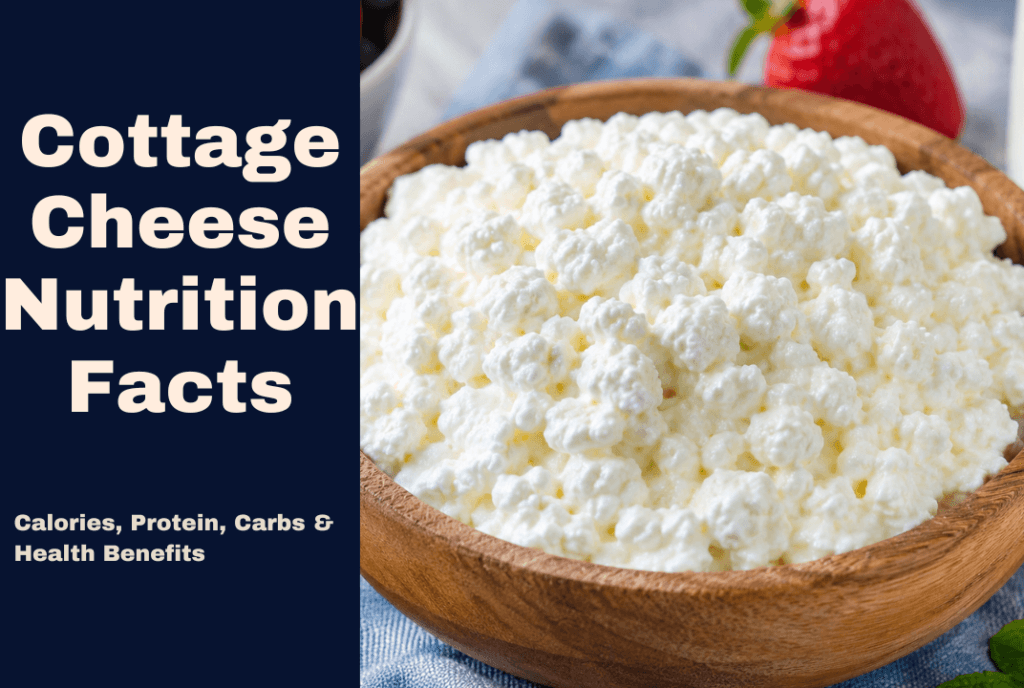
What Is Cottage Cheese?
Cottage cheese is a fresh, unripened cheese made by curdling milk and draining the whey. What’s left behind is a soft, curdy cheese with a mild, slightly tangy flavor.
Unlike aged cheeses such as cheddar or parmesan, cottage cheese doesn’t sit around maturing for months. It’s made fast, eaten fresh, and doesn’t develop the sharp taste that some people avoid.
You’ll usually find it labeled by fat percentage: fat-free, 1%, 2%, or full-fat (4%). Each version has a slightly different cottage cheese nutritional value, which we’ll get into shortly.
Cottage Cheese Nutrition Facts
Here’s a simple breakdown of cottage cheese nutrition per half-cup (113g) serving of 2% low-fat cottage cheese, based on USDA FoodData Central figures.
| Nutrient | Amount (per ½ cup, 2% fat) |
|---|---|
| Calories | 97 kcal |
| Protein | 12.5 g |
| Cottage cheese carbs | 4 g |
| Cottage cheese fat | 2.5 g |
| Cottage cheese sugar | 4 g (naturally occurring lactose) |
| Cottage cheese sodium | 370 mg |
| Cottage cheese calcium | 90 mg |
| Cottage cheese potassium | 110 mg |
| Cottage cheese cholesterol | 10 mg |
These numbers can shift a bit between brands, so always check the cottage cheese nutrition label on your specific tub. Labels don’t lie, even if the marketing on the front of the package sometimes stretches the truth.
Cottage cheese also brings cottage cheese vitamins and minerals to the table, including vitamin B12, riboflavin, phosphorus, and selenium. It’s not a superfood in the flashy sense, but it’s a quiet, reliable nutritional workhorse.
Cottage Cheese Calories by Serving Size
Portion size changes everything, and cottage cheese is no exception. Here’s how cottage cheese calories stack up:
| Serving Size | Calories (2% fat) |
|---|---|
| ¼ cup (56g) | 48 kcal |
| ½ cup (113g) | 97 kcal |
| 1 cup (226g) | 194 kcal |
| 100g | 86 kcal |
Low-fat cottage cheese calories run lower than full-fat versions, while full-fat cottage cheese nutrition includes more fat and slightly more calories per serving, but also a creamier texture that some people genuinely prefer.
If you’re tracking a cottage cheese serving size for a meal plan, a half-cup is the standard baseline used on most nutrition labels.
Cottage Cheese Protein Content
This is where cottage cheese really shows off. Cottage cheese protein content is one of the highest you’ll find in a dairy product this cheap.
A half-cup serving delivers around 12–13 grams of protein, and a full cup gets you close to 25 grams. That’s not far behind a protein shake, minus the artificial sweeteners and the weird chalky aftertaste.
This is why cottage cheese shows up so often in high-protein cottage cheese recipes, bodybuilding meal plans, and diet plans built around cottage cheese macros that favor protein over carbs and fat.
Is Cottage Cheese Good for Weight Loss?
Yes, and there’s a simple reason why: protein keeps you full, and cottage cheese is mostly protein and water. That combination makes it genuinely useful for cottage cheese for weight loss plans.
A half-cup serving fills you up for a fraction of the calories you’d get from chips, crackers, or a muffin. It won’t melt fat on its own (nothing does), but it helps you eat less without feeling deprived, which is really what weight loss comes down to.
Looking for more ideas to build meals around foods like this? Our Healthy Lunch Ideas for Weight Loss guide pairs well with this approach.
Is Cottage Cheese Good for Muscle Gain?
Cottage cheese is a favorite in the fitness world for good reason. It’s rich in casein protein, which digests slowly and releases amino acids over several hours.
That slow release makes it useful for cottage cheese for muscle gain and cottage cheese for bodybuilding diets, especially when eaten between meals or before bed, when your body goes hours without food.
Cottage Cheese Benefits
Let’s talk about what cottage cheese actually does for your body, beyond just filling your stomach.
High in Protein
Protein supports everything from muscle repair to hormone production. Cottage cheese delivers a lot of it per calorie, which is rare in the dairy aisle. A single cup can cover close to half of an average adult’s daily protein needs, without much effort on your part.
This makes it an easy add-on for people who struggle to hit protein targets through meat, eggs, or supplements alone
Supports Weight Loss
Because it’s filling and low in calories, cottage cheese fits naturally into calorie-controlled diets without leaving you hungry an hour later. The high water and protein content take up space in your stomach without adding many calories to your daily count.
That balance is exactly what makes it a smart swap for higher-calorie snacks like chips or sweetened yogurt
Builds Muscle
The casein protein in cottage cheese supports muscle repair and growth, especially useful for anyone lifting weights or recovering from workouts. Since casein digests slowly, it feeds your muscles amino acids over a longer stretch than fast-digesting proteins like whey.
That slow, steady supply is one reason gym-goers keep a tub of cottage cheese in their fridge alongside their protein powder
Strengthens Bones
Calcium and phosphorus in cottage cheese support bone density, which matters more as we age and bone loss becomes a real concern. These two minerals work together, with phosphorus helping the body actually use the calcium it absorbs.
Regularly including dairy like cottage cheese in your diet is one of the simpler ways to support long-term bone strength
Supports Heart Health
Cottage cheese is naturally lower in saturated fat than many aged cheeses, especially the low-fat varieties, which makes it a friendlier option for heart health according to the American Heart Association. Choosing low-fat or fat-free versions helps keep saturated fat intake in check without giving up the protein benefits.
Just remember that sodium can be relatively high, so it’s worth balancing with low-sodium meals elsewhere in the day.
Keeps You Full
Protein and water make up most of cottage cheese, and both slow down digestion, helping you feel satisfied for longer. This is exactly why it works so well as a mid-morning or mid-afternoon snack, when hunger tends to creep in.
Pair it with fruit or vegetables for extra fiber, and the fullness factor goes up even more
Good for Blood Sugar
With minimal carbs and a solid protein content, cottage cheese has a mild effect on blood sugar, which is useful information if you’re managing glucose levels. Protein slows down how quickly food is broken into sugar, which helps prevent sharp spikes after eating.
That’s part of why it’s often recommended as a steadier alternative to sugary breakfast options.
Rich in Calcium
Cottage cheese calcium content supports not just bones, but also muscle function and nerve signaling throughout the body. Calcium plays a role in nearly every muscle contraction, including your heartbeat, which makes it more essential than most people realize.
While it’s not as calcium-dense as milk or yogurt, cottage cheese still contributes a meaningful share toward your daily intake
 Is Cottage Cheese Keto Friendly?
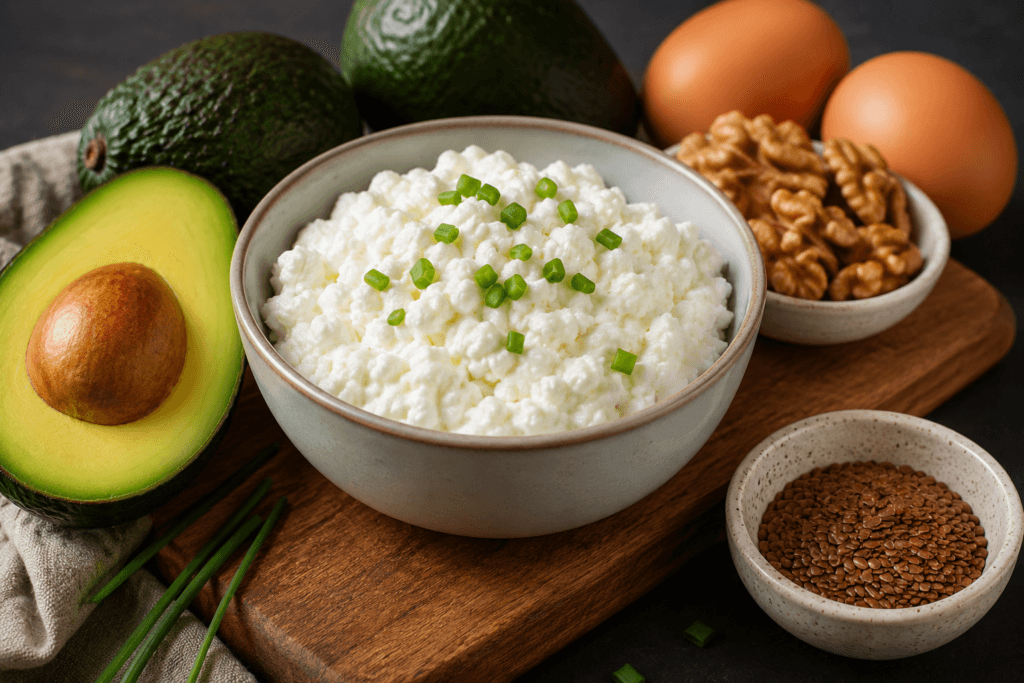 Is Cottage Cheese Keto Friendly?
Mostly, yes. Cottage cheese keto friendly claims hold up reasonably well since it’s naturally cottage cheese low carb, with around 3-4 grams of carbs per half-cup.
Full-fat versions fit keto macros more comfortably than low-fat ones, since keto diets favor fat over carbs. Just keep an eye on portion sizes, since the carbs can add up if you’re eating multiple cups a day.
Is Cottage Cheese Good for Diabetics?
Cottage cheese for diabetics can be a smart choice. It’s low in sugar, moderate in carbs, and high in protein, a combination that generally supports steadier blood sugar levels than high-carb snacks.
That said, sodium content can be on the higher side, so anyone managing diabetes alongside blood pressure concerns should check labels and portion sizes carefully.
For more foods that fit steady blood sugar goals, our Steamed Broccoli Nutrition breakdown is worth a look too.
Cottage Cheese vs Greek Yogurt
Both are popular high-protein dairy staples, but they’re not identical. Here’s a direct cottage cheese vs Greek yogurt comparison per 100g.
Comparison Table
| Nutrient | Cottage Cheese (2%) | Greek Yogurt (plain, low-fat) |
|---|---|---|
| Calories | 86 kcal | 73 kcal |
| Protein | 11 g | 10 g |
| Fat | 2 g | 2 g |
| Carbs | 3 g | 4 g |
| Calcium | 80 mg | 110 mg |
Greek yogurt edges ahead slightly in calcium and has a smoother texture, while cottage cheese offers a comparable protein punch with a chunkier bite. Neither one is objectively better; it really comes down to what you enjoy eating regularly, since the healthiest food is the one you’ll actually keep eating.
Cottage Cheese vs Ricotta Cheese
Ricotta is creamier and slightly sweeter, made from whey rather than curdled milk solids. Per 100g, ricotta typically has more fat and fewer carbs than cottage cheese, along with slightly less protein.
If you want a lighter, higher-protein option, cottage cheese usually wins. If you’re after a smoother texture for baking or cooking, ricotta has the edge.
Cottage Cheese vs Paneer
Paneer is another fresh cheese, common in South Asian cooking, made similarly to cottage cheese but pressed into a firm block instead of left curdy.
Paneer generally has more fat and calories per 100g than low-fat cottage cheese, along with a similar protein count. It also holds its shape when cooked, unlike cottage cheese, which tends to melt into whatever you’re making. For a deeper look, check our full Paneer Nutrition Facts guide.
Best Time to Eat Cottage Cheese
There’s no single “correct” time, but certain moments make more sense nutritionally.
Breakfast
Pairing cottage cheese with fruit or whole grains gives you a slow-digesting, protein-rich start to the day.
Lunch
Adding it to a salad or grain bowl boosts protein without piling on extra calories.
Dinner
A light, protein-forward dinner with cottage cheese can help you avoid late-night snacking.
Before Bed
Cottage cheese before bed is popular among athletes because its slow-digesting casein protein supports muscle repair overnight.
After Workout
As a post workout meal, cottage cheese refuels muscles with protein while keeping carbs and fat in check.
Healthy Ways to Eat Cottage Cheese
Cottage cheese doesn’t have to be boring. Try it with:
- Fresh berries and a drizzle of honey for a quick cottage cheese breakfast idea
- Cucumber, tomato, and olive oil as a savory cottage cheese snack idea
- Blended into smoothies for extra protein without a strong flavor
- Mixed with herbs and black pepper as a dip
- Spread on whole-grain toast instead of cream cheese
If you’re building a full meal plan around lean proteins, our Peanut Butter for Weight Loss article pairs nicely with these ideas.
Possible Side Effects
Cottage cheese is generally safe, but it’s not perfect for everyone. It contains lactose, so people with lactose intolerance may experience bloating or discomfort.
Cottage cheese sodium content can also be higher than expected, which matters for anyone watching blood pressure. And since it’s a dairy product, anyone with a milk allergy should avoid it entirely.
How to Store Cottage Cheese
Keep cottage cheese refrigerated at all times and reseal the container tightly after each use. Most tubs stay fresh for about one to two weeks once opened, though it’s always worth checking the date on the label.
Avoid leaving it out at room temperature for more than two hours, since dairy spoils quickly once it warms up.
Buying Tips
Check the ingredient list first. Simple cottage cheese should list milk, cream, salt, and cultures, not a long string of stabilizers.
Compare cottage cheese nutrition label details across brands, since sodium and sugar content can vary more than you’d expect. If you’re watching sodium intake specifically, look for low-sodium versions, which are increasingly common on store shelves.
Frequently Asked Questions
Is cottage cheese healthy?
Yes. It’s high in protein, low in sugar, and rich in calcium, making it a solid addition to most balanced diets. It also delivers useful amounts of B vitamins and phosphorus without a lot of extra calories.
Can you eat cottage cheese every day?
Most people can eat it daily in moderate portions, though those watching sodium should keep an eye on serving size. A half-cup to one cup a day fits comfortably into most balanced eating plans.
What is a good cottage cheese serving size?
A half-cup (113g) is the standard serving used on most nutrition labels. That amount delivers a solid dose of protein without pushing your calorie count too high, making it easy to fit into most meals.
Does cottage cheese have a lot of carbs?
No, it’s naturally low in carbs, usually around 3-4 grams per half-cup. Most of those carbs come from lactose, the natural sugar found in milk, rather than added sweeteners.
Is low-fat cottage cheese healthier than full-fat?
It depends on your goals. Low-fat has fewer calories, while full-fat offers more satiety and fits better into higher-fat diets like keto. Neither is inherently “unhealthy,” so the right choice comes down to your calorie and macro targets.
Does cottage cheese help with muscle gain?
Yes, its slow-digesting casein protein supports muscle repair, especially when eaten before bed or after workouts. That steady release of amino acids gives your muscles a longer window to rebuild than faster-digesting proteins.
Is cottage cheese good for weight loss?
Yes, its high protein and low calorie count make it filling without adding excess calories. It’s an easy way to feel satisfied on fewer calories, which is the core idea behind most sustainable weight loss plans.
What are the best cottage cheese benefits for women?
Calcium support for bone health, high protein for muscle maintenance, and a filling snack option that supports healthy weight management. These benefits become especially relevant during and after pregnancy, and again later in life as bone density naturally declines.
Is cottage cheese good for seniors?
Yes, its calcium and protein content support bone strength and muscle mass, both important as we age. It’s also soft and easy to eat, which makes it a practical option for anyone with limited appetite or chewing difficulty.
Is cottage cheese keto friendly?
Yes, especially full-fat versions, since they’re naturally low in carbs and fit typical keto macros. Just watch your portion size, since carbs can add up quickly if you’re eating several servings across the day.
Final Thoughts
Cottage cheese isn’t glamorous, but it’s genuinely one of the more useful foods in the dairy aisle. It’s affordable, high in protein, low in carbs, and flexible enough to fit breakfast, lunch, dinner, or a midnight snack.
Whether your goal is weight loss, muscle gain, or just eating something that won’t spike your blood sugar, cottage cheese earns its spot in the fridge.
For more real, source-backed nutrition breakdowns, explore our guides on Soba Noodles Nutrition Facts, Parsnip Nutrition Facts, and Spam Nutrition Facts.
References
- USDA FoodData Central – fdc.nal.usda.gov
- National Institutes of Health, Office of Dietary Supplements – ods.od.nih.gov
- American Heart Association – heart.org
- Harvard T.H. Chan School of Public Health, Harvard Health – health.harvard.edu

Hi, I’m Salem Nasir, founder of Fiturely. I research and write evidence-based articles on fitness, nutrition, weight loss, and healthy living. My mission is to make reliable health information simple, practical, and easy to understand so readers can build healthier habits with confidence
Если нужен комплексный сервис, стоит рассмотреть xrumer link building service https://www.olx.ua/d/uk/obyavlenie/progon-hrumerom-dr-50-po-ahrefs-uvelichu-reyting-domena-IDXnHrG.html для автоматизированного продвижения.
Pingback: Saltines Nutritional Value: Calories, Carbs, Sodium & More (2026) - fiturely.com